
 English
 Arabic
 Chinese (Simplified)
 Dutch
Dutch French
 German
 Italian
 Portuguese
 Russian
 Spanish
Every child develops communication skills at their own pace, but some children need extra support during their early school years. In elementary classrooms, communication affects learning, classroom participation, and social interaction every day.
When language difficulties are not identified early, students may struggle to express themselves, understand lessons, or build confidence in school. Early language intervention helps children strengthen these skills before challenges become bigger obstacles. With the right support, students can improve academically, socially, and emotionally.
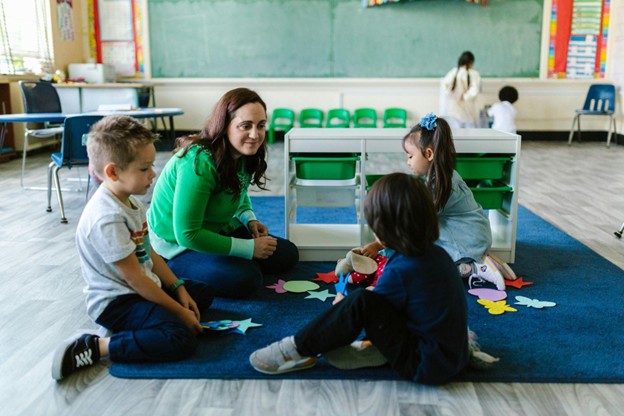
How Early Communication Support Shapes Classroom Learning
Strong communication skills help children succeed in many areas of elementary education. Students use language to ask questions, follow directions, complete assignments, and interact with teachers and classmates. When a child struggles with language, even simple classroom activities can become stressful.
For example, a student with language difficulties may have trouble understanding instructions during group work or explaining their thoughts during class discussions. These challenges often fall under receptive and expressive language disorders — two of the core areas covered in the ASHA scope of practice for SLPs, which outlines how speech-language pathologists assess and treat communication difficulties across nine defined domains. Reading comprehension can also become harder because language skills directly affect how children process information.
Early communication support gives students the chance to strengthen these skills before academic pressure increases in later grades. Children who receive help early are often better prepared to handle reading, writing, listening, and classroom participation.
The Role of Speech-Language Pathologists in Schools
Speech-language pathologists, often called SLPs, play an important role in elementary education. They work with students who have speech, language, communication, or social interaction difficulties. Their goal is to help children communicate more effectively in both academic and social settings.
In schools, SLPs assess students to identify communication challenges and create personalized treatment plans based on each child’s needs. Some students may need help with pronunciation, while others may need support with vocabulary, sentence structure, listening skills, or social communication.
SLPs often work closely with teachers and parents to make sure students receive consistent support. For example, an SLP may suggest classroom strategies that help a student understand instructions more easily or encourage parents to practice communication activities at home.
Common Signs of Language Delays in Elementary Students
Language delays can look different from one child to another. Some students may speak very little, while others may struggle to organize their thoughts clearly. In many cases, the signs become more noticeable once children enter school and classroom communication demands increase.
One common sign is difficulty following directions. A child may seem distracted or confused when asked to complete tasks with multiple steps. Some students may also struggle to form complete sentences or use vocabulary that matches their age level.
Other signs include difficulty telling stories, answering questions, or understanding what they read. Social communication can also become challenging. A child may have trouble joining conversations, taking turns while speaking, or understanding social cues from classmates.
Sometimes parents and teachers assume a child will eventually outgrow these difficulties. While that may happen in some situations, early evaluation is important because delays can affect academic progress over time. Identifying communication challenges early allows children to receive the support they need before frustration and confidence issues grow.
How Early Intervention Improves Academic Confidence
Children who struggle with communication sometimes avoid speaking in class because they worry about making mistakes. They may stay quiet during discussions, avoid reading aloud, or feel nervous in social situations. Over time, this can affect self-esteem and classroom participation.
Early intervention helps students feel more comfortable expressing themselves. As communication skills improve, children often become more confident in both academic and social environments. They may begin participating more during lessons, asking questions when they need help, and engaging more with classmates.
Improved communication can also reduce frustration. Many children feel upset when they cannot clearly explain their thoughts or understand what others are saying. With proper support, those moments become less stressful, making school feel more positive and manageable.
Confidence also affects learning. Students who feel comfortable communicating are often more willing to try new activities, participate in group projects, and practice reading or speaking skills without fear of embarrassment.
The Long-Term Benefits of Early Language Support
The benefits of early language intervention often continue far beyond elementary school. Strong communication skills support academic growth, social development, and everyday problem-solving abilities.
Students who receive early support are often better prepared for future classroom demands. They may find it easier to understand lessons, complete assignments, and communicate with teachers and peers as they move into higher grade levels.
Socially, improved communication skills help children build friendships and feel more connected in school environments. Students who can express themselves clearly often experience fewer misunderstandings and stronger peer relationships.
Early intervention may also reduce the need for more intensive support later. Addressing communication challenges during the elementary years gives children a stronger foundation before academic expectations become more advanced.
How Parents and Teachers Can Work Together
Parents and teachers both play an important role in supporting language development. Open communication between home and school helps children receive consistent guidance and encouragement.
Teachers may notice classroom challenges that parents do not see at home, while parents can share important observations about communication behaviors outside of school. Working together allows adults to identify concerns early and support the child more effectively.
Simple activities can also encourage language growth. Reading together, asking open-ended questions, and encouraging conversations during daily routines can strengthen communication skills naturally. Listening carefully and giving children enough time to respond can also help build confidence. Children who have difficulty keeping up with these everyday interactions may be experiencing challenges that go beyond typical development, and recognizing that difference early makes it easier to get the right support in place.
Children learn best when they feel supported, understood, and confident in their ability to communicate. Early language intervention helps students build the skills they need to succeed in the classroom and beyond. When parents, teachers, and speech-language professionals work together early, children have a stronger chance of developing communication skills that support learning, friendships, and long-term success throughout their education.