
 English
 Arabic
 Chinese (Simplified)
 Dutch
Dutch French
 German
 Italian
 Portuguese
 Russian
 Spanish
Deciding to sell my comic books often starts with one simple realization: the collection is no longer being read, displayed, or actively enjoyed. For many people, comics have been stored for years, sometimes decades, and selling them feels like a big step. The good news is that the selling process is usually much more straightforward than expected, especially when working with experienced buyers.
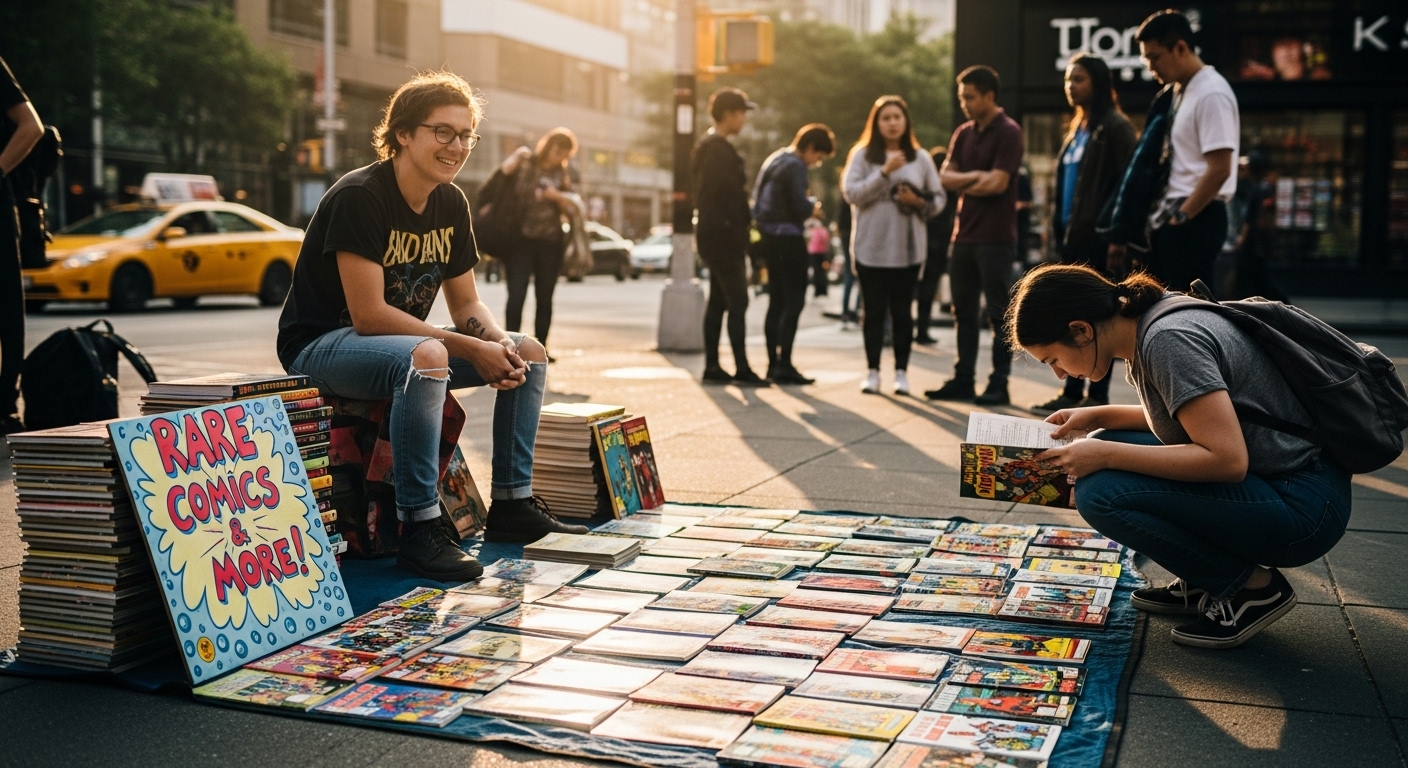
The process typically begins with an evaluation. Buyers look at the overall size of the collection, the condition of the comics, and whether there are key issues or popular titles included. In many cases, sellers do not need to organize everything perfectly in advance. A professional buyer can sort through long boxes, short boxes, or mixed stacks and identify what matters most. This saves time and reduces stress for the seller.
After evaluation, an offer is made based on current market demand, condition, and resale potential. This is usually a single offer for the collection or for selected parts of it. Once the price is agreed on, payment is typically immediate. There is no waiting for online buyers, no shipping, and no risk of returns. For people who want a clear, efficient transaction, selling comics this way removes many common frustrations and turns a long-held collection into immediate value.
Improve Your English Writing & Avoid Plagiarism in the Academy?
What Buyers Look for in Collections
When buyers review comic book collections, they focus on several key factors rather than just the total number of comics. One of the most important is the presence of key issues. These include first appearances, early issues, significant storylines, and books tied to popular characters or creators. Even a small number of valuable comics can significantly affect the overall offer.
Condition is another major factor. Comics that are clean, flat, and well-preserved are generally worth more than heavily worn copies. Creases, tears, water damage, and missing pages all lower value. That said, buyers understand that older collections often show wear, and not every book needs to be in perfect shape to be desirable. Age also matters, as older comics often have higher collector interest, especially those from certain eras.
Buyers also consider how complete and consistent a collection is. Long runs of a single series, complete story arcs, or well-organized collections are easier to resell and therefore more attractive. Popular genres and characters tend to hold value better, but niche titles can still be valuable if demand exists. Experienced buyers evaluate collections as a whole, balancing standout books with overall resale potential.
How to Prepare Your Comics Before Selling
Preparing your comics before selling does not mean you need to catalog every issue or clean every page. Simple steps can make the process smoother without taking much time. Start by keeping the collection together and avoiding unnecessary handling. Excessive flipping through pages can cause wear, especially on older books.
If your comics are bagged and boarded, leave them that way. Original protective materials help preserve condition and show that the collection was cared for. Avoid attempting repairs, cleaning pages, or pressing comics unless you have professional experience, as these efforts can accidentally reduce value. It is better to leave comics as they are and let the buyer assess them properly.
If possible, separate obviously damaged items from better-condition books, but this is optional. Clear access to the collection is more important than perfect organization. When working with a reputable buyer like Comic Buying Center in Libertyville, staff can guide you through the process and answer questions honestly. Proper preparation is less about perfection and more about avoiding mistakes that could affect condition or value.