
 English
 Arabic
 Chinese (Simplified)
 Dutch
Dutch French
 German
 Italian
 Portuguese
 Russian
 Spanish
The digital education sector is moving beyond static content. As platforms strive to provide more engaging, personalized experiences, the bottleneck has shifted from curriculum design to video production. Traditional video editing is too slow and costly to meet the demands of individualized learning. This is why many development teams are now turning to the Kling 2.6 API to build automated, “Just-in-Time” content delivery systems.
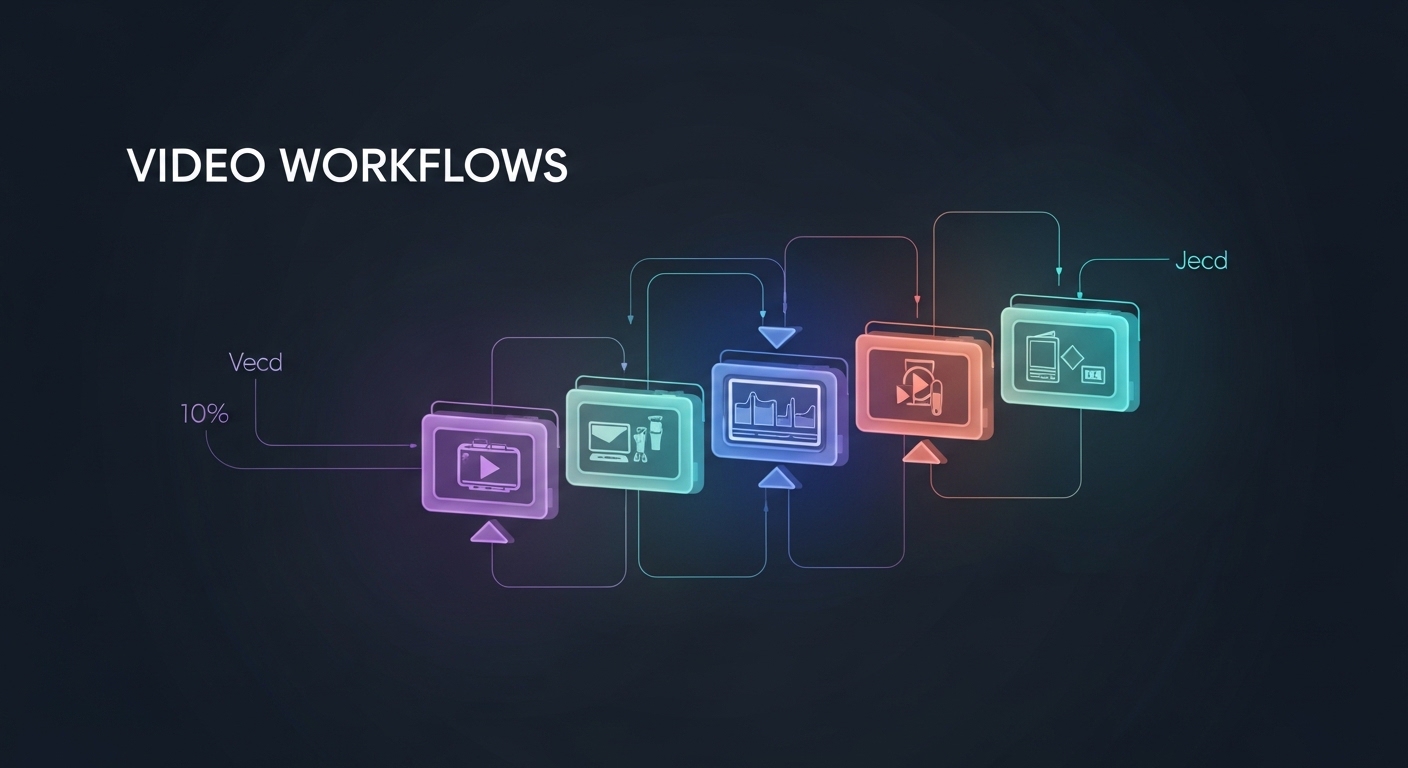
Technical Infrastructure of the Kling AI 2.6 Ecosystem
Before implementing a generation pipeline, it is essential to understand the architectural improvements that make this version suitable for enterprise-level EdTech tasks.
Enhanced Temporal Consistency with Kling Video 2.6 API
The transition to the 2.6 version marks a significant milestone. For developers, the Kling Video 2.6 API offers a level of temporal consistency that ensures educational characters and environments remain stable across a video. This stability is crucial for maintaining a student’s cognitive focus during complex visual explanations.
Multi-Modal Flexibility via Kling Text to Video API
The system provides dual-mode flexibility to handle diverse pedagogical requirements. While the Kling Text to Video API is ideal for generating entire scenes from scripts, the Kling Image to Video API allows teams to animate existing diagrams, historical photos, or textbook illustrations, creating a unified toolkit for all visual content types.
Architecting a Scalable Kling Video Generation API Workflow
Integrating the Kling video generation API into an existing Learning Management System (LMS) requires a structured approach to ensure reliability at scale.
Step 1: Initializing the Environment with Kling 2.6 API Key
The integration starts with securing a Kling 2.6 API key and establishing a secure authentication layer. Developers should consult the Kling 2.6 API documentation to understand the specific JSON payload structures and endpoint behaviors required for robust system communication.
Step 2: Asynchronous Orchestration and Task Management
In a high-concurrency environment, an asynchronous model is essential. Developers should implement a task-queue system where the application sends a request to the API and waits for a callback notification. This ensures the user experience remains fluid while the engine processes complex visual computations in the background.
Operational Efficiency and Kling 2.6 API Price Management
From a project management perspective, the move toward API-driven production allows for a predictable and scalable budget model.
Cost Analysis for High-Volume Production
Unlike traditional studios where costs fluctuate, the Kling 2.6 API price model allows for precise cost-per-asset calculations. Teams can optimize their budgets using the following structure available via Kie:
- 5-Second Video (No Audio): $0.28
- 10-Second Video (No Audio): $0.55
- 5-Second Video (With Audio): $0.55
- 10-Second Video (With Audio): $1.10
Reducing Total Cost of Ownership (TCO)
By automating the generation process, platforms can significantly reduce the lead time and expense associated with manual creative teams. This allows EdTech companies to scale their video libraries from dozens to thousands of assets with a clear ROI.
Virtual Office Cost: How Much Does a Virtual Office Cost in 2026?
Real-World Engineering Applications in Education
The primary value of API-driven generation is found in large-scale, automated environments where consistency and speed are paramount.
Adaptive Learning Systems
Engineering teams are now building systems where the Kling video generation API creates specific video explanations based on a student’s real-time performance data or specific learning gaps.
Localized Content at Scale
The API allows for the automatic adjustment of visual contexts—such as backgrounds and character demographics—to suit different cultural and linguistic markets, all without manual re-rendering.
Conclusion
Integrating advanced video generation into a professional workflow is a strategic engineering decision aimed at increasing systemic efficiency. By leveraging the programmatic strengths of the Kling AI 2.6 API, development teams can move away from manual asset creation and toward a future of automated, intelligent visual production.