
 English
 Arabic
 Chinese (Simplified)
 Dutch
Dutch French
 German
 Italian
 Portuguese
 Russian
 Spanish
Choosing a program format is really about choosing the kind of learning life you can realistically stick with. If you’re comparing schools, https://www.istitutomarangonimiami.edu/ is the type of site you’d use to see how programs are structured and what options exist, but the decision still comes down to your goals and your schedule. Some people need a full, immersive experience with studios, deadlines, and constant feedback. Others need flexibility because they’re working, changing careers, or balancing family responsibilities.

Start with your end goal, not the format. Are you trying to become job-ready as fast as possible? Are you building a portfolio for a specific role (design, styling, product development, branding)? Do you already have experience and need a credential plus network, or are you starting from zero? The more specific your goal is, the easier the format choice becomes.
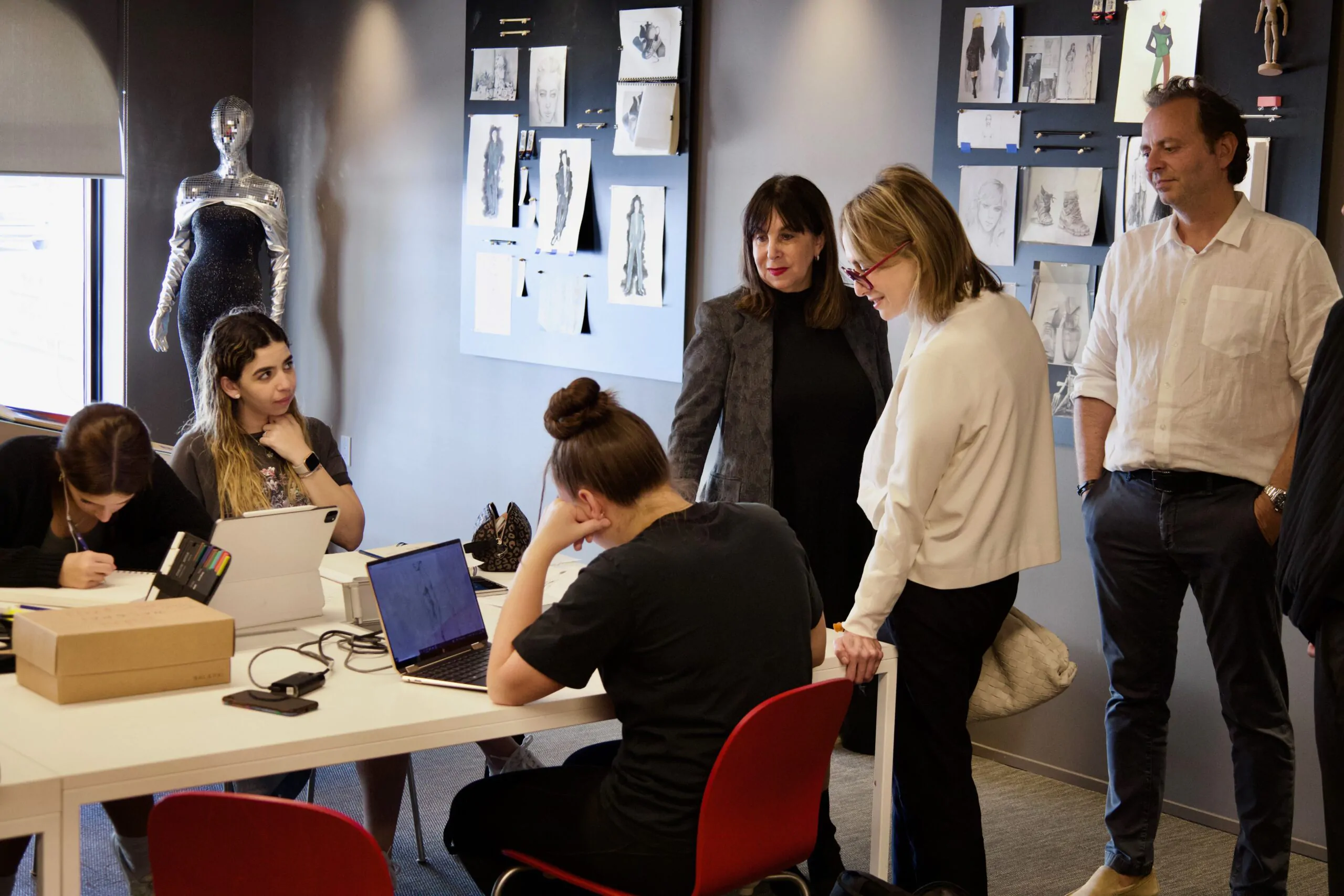
Also be honest about what keeps you motivated. If you learn best with structure, in-person or hybrid formats often work better because they create momentum through real briefs, critiques, and peer pressure in a good way. If you’re self-driven and organized, online can be a strong option, but only if you can keep consistent weekly habits without someone chasing you.
Finally, think about access. Location, cost of living, commuting time, and time zones can all affect your energy and attendance. If you choose a school like Istituto Marangoni Miami, you’re usually choosing a format that leans into creative immersion and industry-style training, which can be a good match if you want a focused environment that pushes your work forward.
Why Employee Recognition Improves Workplace Communication and Team Confidence
What Undergraduate vs. Graduate Programs Typically Focus On
Undergraduate programs usually build the full foundation. They tend to spend more time on core skills and the design process because many students are still discovering what they’re good at. You’ll often work on fundamentals like research, concept development, visual communication, and basic technical understanding. Even when the program is creative, it usually includes structure that helps you build discipline: deadlines, repeated practice, and gradual difficulty. Undergrad is also where students often experiment more. They try different roles, like design, styling, visual merchandising, or product work, and they figure out what direction actually fits them.
Graduate programs usually assume you already have a base and want to sharpen your focus. That could mean refining a specific aesthetic, developing a clearer point of view, or building advanced skills connected to a target role. Graduate study is often more project-heavy and strategy-heavy. You may spend more time on concept depth, brand thinking, industry context, and how to position your work professionally. In some cases, grad programs also attract people switching careers, so the focus becomes building a portfolio that makes the transition believable and hireable.
A useful way to decide is to ask yourself: do you need breadth or depth right now? If you need the full toolkit and time to grow steadily, undergrad often makes sense. If you already have experience, a portfolio, or a clear direction, graduate study can help you level up faster by pushing more advanced work and stronger presentation.
When Online Study Makes Sense and What It Requires
Online study makes sense when flexibility is not just a preference, but a requirement. If you’re working full-time, living far from major fashion hubs, or balancing family responsibilities, online can keep you moving forward without pausing your life. It can also be a smart choice if you already have some experience and you need targeted skill-building, like strengthening digital tools, improving presentation, or learning more structured brand and product thinking.
That said, online programs demand a different kind of discipline. You have to create structure that an in-person schedule normally forces on you. That means blocking out consistent work hours each week, treating deadlines as non-negotiable, and building a routine for feedback and revision. If you’re the type who starts strong and then fades when life gets busy, online can become frustrating unless you plan for that reality.
You also need to think about what you’re giving up. In-person programs often provide faster feedback loops, studio culture, and spontaneous learning from classmates. Online can still offer critique and community, but you have to engage actively. Asking questions, showing drafts early, and using office hours matters more because you can’t rely on “being in the room” to stay connected.
Online works best when you have three things: clear goals, consistent weekly time, and the ability to self-correct. If you can bring those, online study can be a practical way to build skills and a portfolio while keeping your career and life moving at the same time.
One thought on “How to Choose the Right Fashion or Design Program Format”
Pingback: The Fashion Vocab You Need to Know in 2026