
 English
 Arabic
 Chinese (Simplified)
 Dutch
Dutch French
 German
 Italian
 Portuguese
 Russian
 Spanish
Picture this: A manufacturer lands a contract that’ll double their revenue, but their existing equipment can’t hold the tolerances the customer demands. They’ll either turn down the opportunity or invest six figures in new machines with weeks of lead time. Manufacturing success isn’t just about skilled workers and solid business plans. The equipment you choose directly impacts production capacity, product quality, and your ability to compete in demanding markets. Understanding how machine tools influence growth can help you make smarter investments that pay dividends for years to come.
The Foundation of Productive Manufacturing
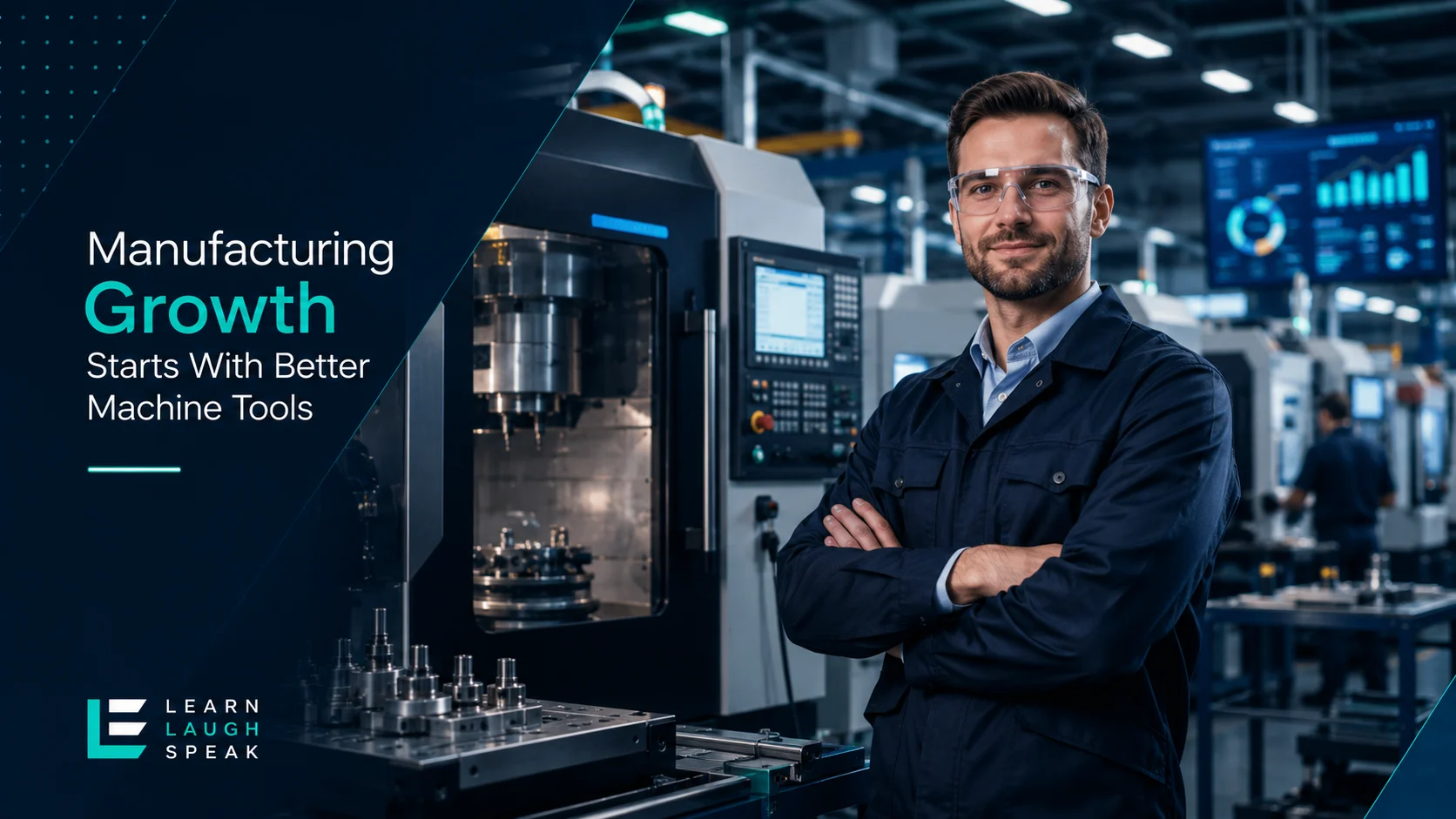
Machine tools form the backbone of any production operation. These precision instruments transform raw materials into finished products through cutting, shaping, grinding, and forming processes. When you select the right equipment for your specific needs, you’ll create a foundation that supports consistent output and reliable quality.
The difference between adequate tools and exceptional ones often determines whether a manufacturer struggles to meet orders or scales confidently into new markets. Modern CNC machines, for example, can operate with tolerances measured in microns while running multiple shifts with minimal supervision.
This level of precision and reliability was unthinkable just a few decades ago. Quality machine tools also reduce waste significantly. When equipment maintains tight tolerances consistently, you’ll experience fewer rejected parts and less material waste. This efficiency directly improves your profit margins while reducing environmental impact.
Speed to Market Matters More Than Ever
Your competitors are moving faster than ever. Companies that can prototype quickly, refine designs efficiently, and scale production rapidly gain significant advantages over slower competitors.
Advanced machine tools enable faster iteration cycles. Multi-axis machining centers can complete complex parts in single setups that previously required multiple operations across different machines. This capability cuts production time dramatically while eliminating the positioning errors that occur when moving workpieces between stations.
When you can deliver products faster without sacrificing quality, you’ll open doors to premium customers who value reliability and responsiveness. Many manufacturers find that investing in faster, more capable equipment allows them to charge premium prices that more than justify the initial capital outlay.
Flexibility Drives Long-Term Value
Markets change, customer requirements evolve, and product lifecycles shorten. Machine tools that offer versatility help you adapt without requiring constant equipment replacement.
Modern machining centers with quick-change tooling systems allow operators to switch between different jobs in minutes rather than hours. For instance, you might switch from aerospace brackets to medical device components in under 15 minutes, making small-batch production economically viable. This flexibility means you can profitably handle smaller batch sizes and custom orders that’d be uneconomical on older, less adaptable equipment. The ability to serve niche markets or customize products for specific customers creates competitive moats that protect your business from commoditization.
Programmable machines also reduce the learning curve when training new operators. Well-designed CNC equipment with intuitive controls lets skilled machinists focus on optimization and quality rather than wrestling with complicated manual operations. According to research from the National Institute of Standards and Technology, advanced manufacturing technologies can improve productivity by 20-50% when properly implemented, though results vary based on the specific technologies adopted and how thoroughly they’re integrated into existing workflows.
The True Cost of Machine Tools
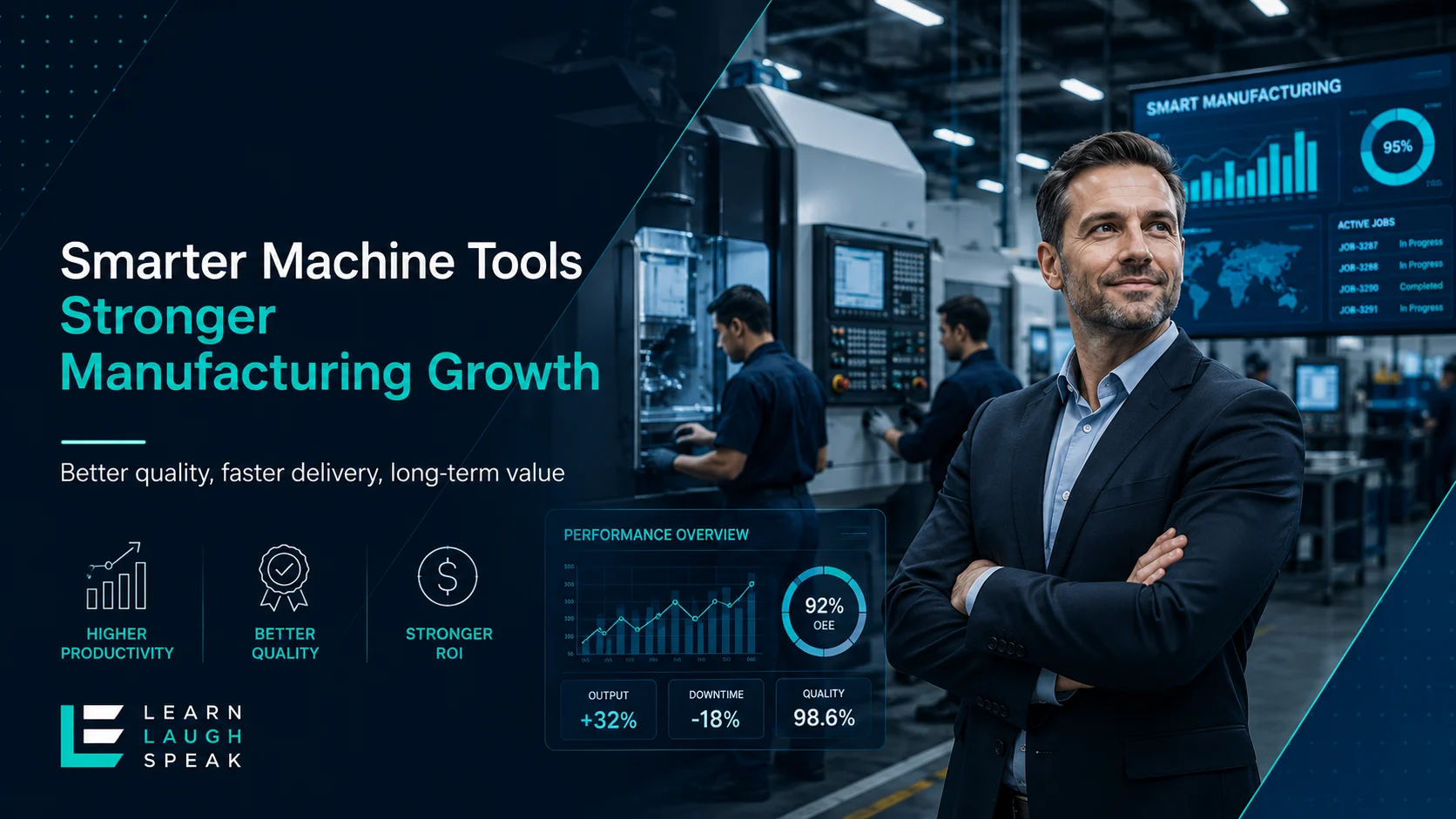
Purchase price represents only one component of total equipment cost. Savvy manufacturers evaluate machine tools based on total cost of ownership, which includes maintenance expenses, energy consumption, downtime frequency, and the productivity enabled by the equipment.
Cheaper machines often carry hidden costs that erode any initial savings. Frequent breakdowns interrupt production schedules and frustrate customers. Poor repeatability increases scrap rates and quality control expenses. Limited capability constrains the types of work you can accept.
Premium equipment from established manufacturers typically offers better long-term value despite higher upfront costs. These machines incorporate superior components, thoughtful engineering, and comprehensive support networks. Common hidden costs include frequent breakdowns that interrupt production schedules and frustrate customers, poor repeatability that increases scrap rates and quality control expenses, limited capability that constrains the types of work you can accept, extended downtime waiting weeks for obscure components to ship from overseas, and energy inefficiency that adds tens of thousands in operating costs over 15-20 years.
Pay close attention to energy efficiency in cost calculations. Modern machines often consume significantly less power than older models while delivering better performance. Over a machine’s 15-20 year lifespan, energy savings can amount to tens of thousands of dollars.
Strategic Partnerships with Equipment Providers
The relationship with your machine tool supplier extends far beyond the initial sale. Manufacturers who view equipment purchases as partnerships rather than transactions position themselves for sustained growth.
Leading suppliers provide comprehensive support including application engineering, operator training, preventive maintenance programs, and retrofit services that extend equipment life. Technical support is especially valuable when you’re exploring new applications or troubleshooting challenging jobs. Companies like Summit Machine Tool specialize in helping manufacturers select equipment that aligns with both current needs and future growth plans, ensuring investments remain productive for decades. Suppliers with deep application knowledge can suggest tooling strategies, programming approaches, and process parameters that dramatically improve results, shaving weeks or months off development timelines for new products.
Automation and Integration Capabilities
Manufacturing growth increasingly depends on automation and digital integration. Machine tools that communicate effectively with broader manufacturing systems enable lights-out production, real-time monitoring, and data-driven optimization.
Modern machines equipped with sensors and connectivity options feed data into enterprise systems that track overall equipment effectiveness (OEE), predict maintenance needs, and identify bottlenecks. This visibility allows managers to make informed decisions about capacity allocation and process improvements. Research from MIT’s Department of Mechanical Engineering indicates that manufacturers using data-driven approaches see 10-30% improvements in operational efficiency.
Robotic integration represents another growth enabler. Machines designed with automation in mind include features like automatic door openers, standardized pallet systems, and collaborative robot compatibility. These capabilities let you scale production without proportionally increasing labor costs.
Workforce Development and Machine Tool Selection
The manufacturing skills gap creates challenges for companies across all sectors. Selecting equipment that supports workforce development helps ensure you can staff operations effectively both now and in the future.
User-friendly machines with comprehensive training modes allow newer operators to develop skills safely while remaining productive. Simulation capabilities let programmers test and optimize programs offline without tying up production equipment. These features accelerate skill development and reduce the anxiety that often accompanies expensive equipment operation.
Advanced machines also help retain experienced workers by eliminating tedious manual tasks and letting skilled professionals focus on problem-solving and continuous improvement. When talented employees spend their time on engaging, value-added activities rather than repetitive manual operations, job satisfaction increases and turnover decreases.
Making the Investment Decision
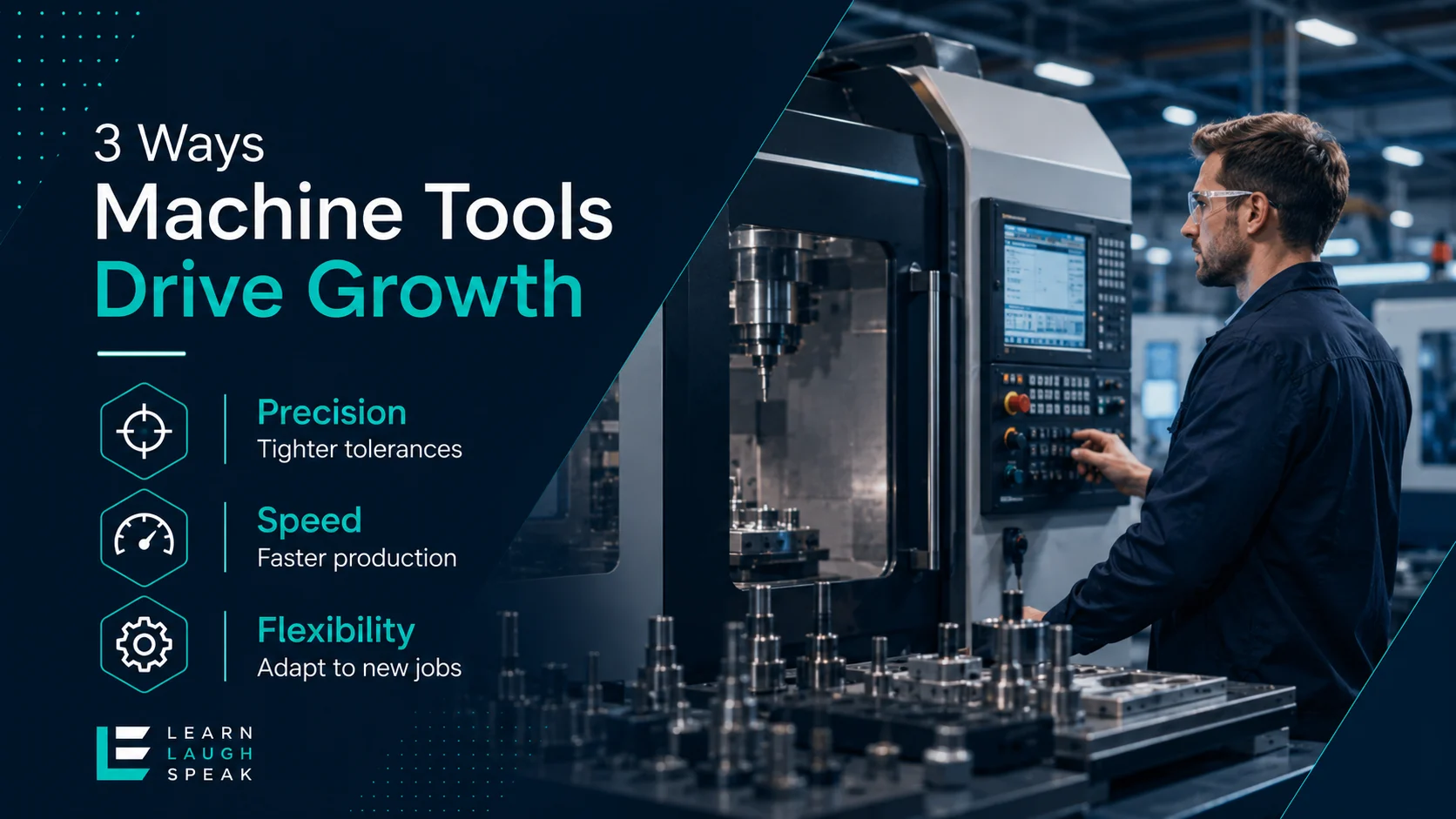
Selecting machine tools requires balancing immediate needs against future requirements. Smart manufacturers start by thoroughly analyzing their current production challenges, capacity constraints, and quality issues. This assessment identifies specific capabilities that’ll drive measurable improvements.
Next, consider your five-year growth trajectory. Will you expand into new markets? Take on more complex work? Increase production volumes? Equipment purchases made with future needs in mind prevent premature obsolescence and provide headroom for growth without requiring constant reinvestment.
Finally, evaluate potential suppliers based on their track record, technical support capabilities, and commitment to long-term customer success. The right partner brings expertise that extends far beyond the machines themselves, helping you optimize processes and troubleshoot challenges as your business evolves.
Building Your Equipment Strategy
Manufacturing growth depends on countless factors, but equipment capability remains fundamental. The right machine tools multiply the effectiveness of your workforce, enhance your quality reputation, and create capacity for expansion. By approaching equipment decisions strategically and partnering with knowledgeable suppliers, you’ll position your operation for sustained competitive advantage in an increasingly demanding marketplace.