
 English
 Arabic
 Chinese (Simplified)
 Dutch
Dutch French
 German
 Italian
 Portuguese
 Russian
 Spanish
The education sector is one of the best examples of how going online can create a win-win situation for all parties involved. With applications such as virtual classrooms, teachers and students can benefit from higher flexibility, accessibility, and personalization.
Such benefits may be the reason that the global online learning industry is expected to grow to a staggering $400 billion this year . All that being said, for these numbers to become a reality, one crucial element needs to be sorted out: your internet service.
The right internet connection can make or break a student’s learning experience with tools such as online dictionaries or video-calling software. This article explores how, by diving into the following factors:
- Why Your Internet Provider Matters
- The Benefits a Fast Internet Connection Unlocks for Students and Educators
- How To Choose the Right Internet Provider
Class is now in session.
Why Your Internet Service Matters
We’ve all heard the saying, ‘survival of the fittest’; however, I personally believe that with the rapid digitization going on around us, this is evolving into the ‘survival of the fastest’, especially in education. The key to this is a best internet provider.
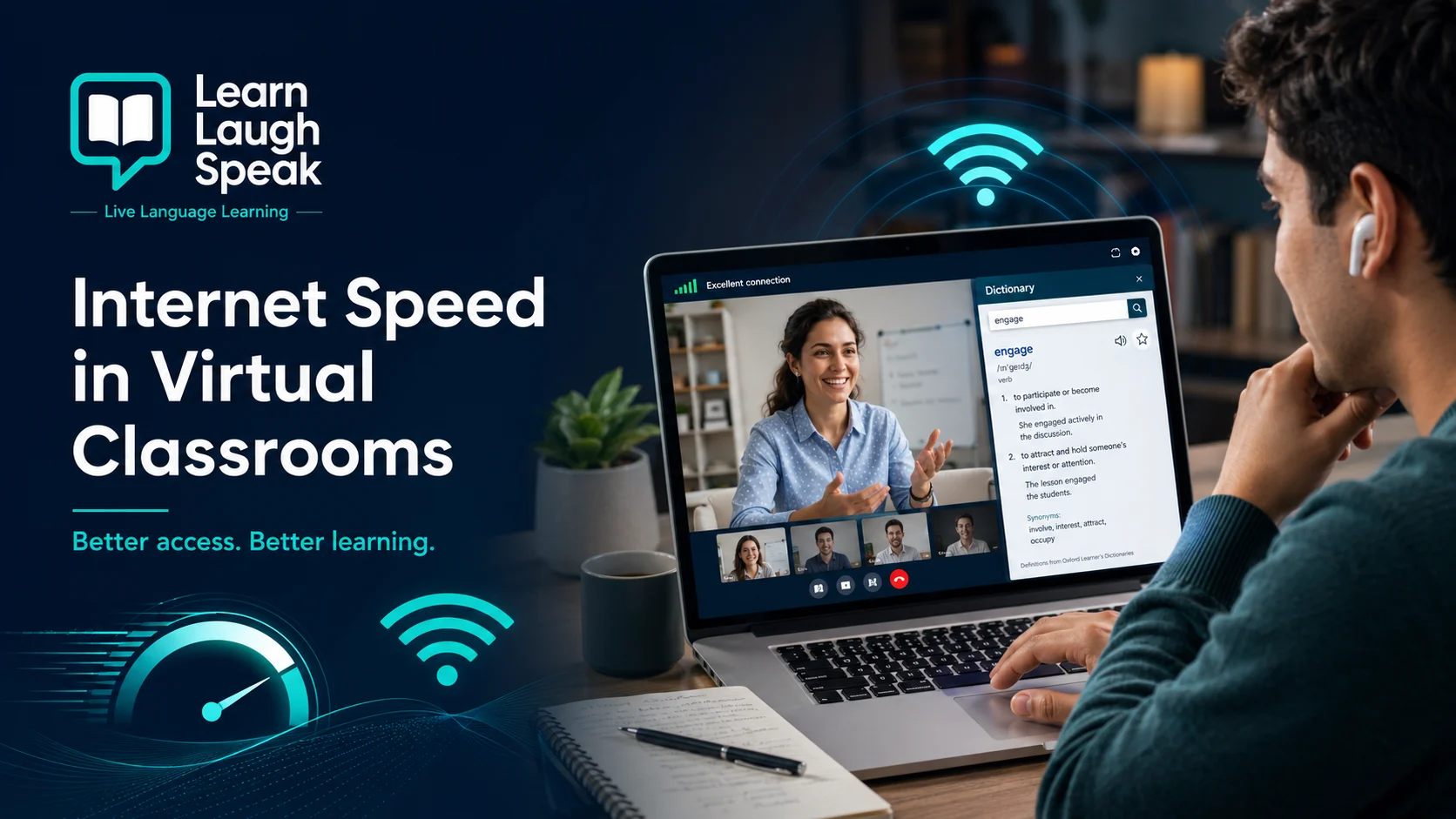
For virtual classrooms, a fast and reliable internet connection acts as the accelerator both students and teachers need. It seamlessly and simultaneously supports multiple applications such as online dictionaries, communication and collaborative tools, and more in many ways.
Some of the most crucial ways are discussed ahead.
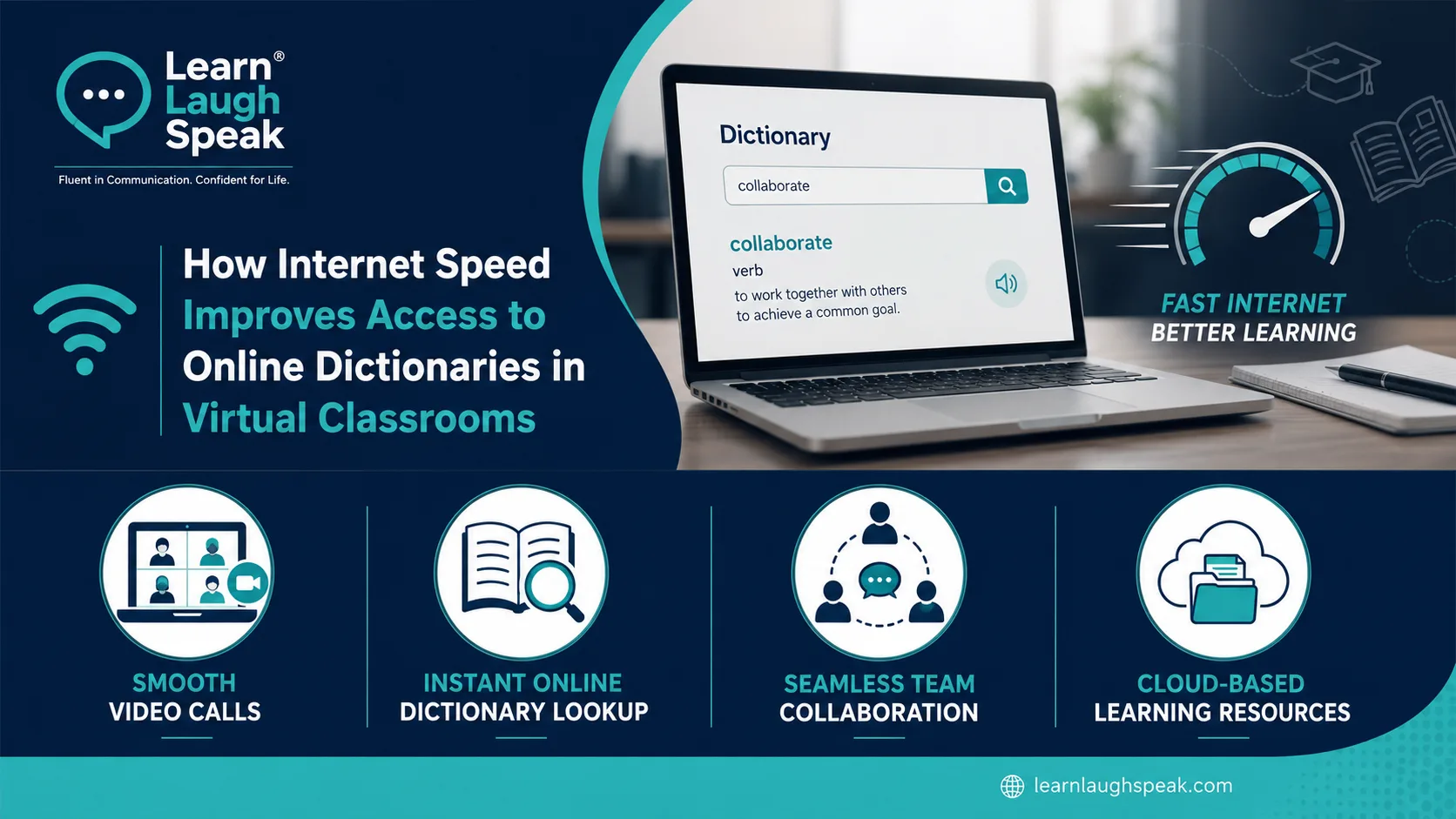
Smooth Video Calls
Video calls are the primary mode of communication used in virtual classrooms, and pairing a slow internet connection with a large number of other students leads to a good chance that the real-time experience may suffer. For example, the video call may frequently stop or drop mid-session. It may take students a while to get back online, during which they may have missed out on a crucial insight. A fast and reliable internet provider helps ensure continuity so that students can easily grasp concepts or voice their questions, and teachers can address them.
Seamless Team Collaborations
Like the learning sessions, collaboration between students is also supported using a range of online tools. For example, if there’s a design course, students may be asked to collaborate using Zoom for team meetings or Figma to work together on projects. These tools allow simultaneous real-time commenting, editing, and version control to help students create well-thought-out documents or presentations. A slow internet connection can prevent or slow down each of these collaborative efforts, which may lead to low scores for one or more team members.
Instant Online Dictionary Lookup
There may be times when students need to look up the definition of a specific term or revise previous concepts to understand the current concepts being explained. During those times, they may need access to additional supporting resources such as online dictionaries. A fast internet connection allows quick and easy access to such resources, enabling the student to keep up with and fully understand the concepts being explained.
Cloud-Based Platforms at Your Fingertips
Some institutions may upload learning resources to a specific cloud platform. These platforms require students to log in to access uploaded resources or submit assignments. A fast internet provider can help students quickly access such resources to broaden their scope of learning or prepare for exams and projects.
Learning Resources for Anytime, Anywhere
Beyond the learning resources provided by the educators themselves, students may also rely on additional third-party resources to broaden their scope of thinking and come to their own conclusions. Most of these learning resources may be downloadable files or videos, which require a fast internet connection to be quickly and smoothly accessible for students.
Collectively, each of the applications above unlocks a range of benefits for students and teachers, and the next section explores some of the most significant ones.
The Benefits a Fast Internet Connection Unlocks for Students and Educators
From improving virtual classroom engagement to supporting a better work-life balance, and everything in between, let’s explore the benefits a fast internet connection indirectly unlocks for educators and students.
Higher Flexibility
Students and teachers can come together through virtual platforms regardless of their location, allowing both sides better flexibility as they can perform their respective roles from areas they prefer. For example, teachers can set up shop in their study room, while students can learn from a café or library. This flexibility to learn or teach from a location of their preference also makes the process a bit personalized and comforting for both parties, which helps with our next benefit.
Increased Engagement
Making learning fun and easy is, in my opinion, one of the best pieces of advice you’ll ever hear. The internet helps achieve that by making tools and resources easily accessible and user-friendly. This ease of learning leads to higher engagement levels among students, with more of them actively voicing their opinions in discussions and thinking outside the box when working with teammates on assignments and projects. This increased engagement can help them develop career-friendly skills such as communication and conflict management.
Improved Performance
The whole point, right? The main goal should always be to facilitate our teachers in creating the next generation of thought leaders and unlocking the full potential of students everywhere. The internet kills both these birds with one stone. With uninterrupted access to virtual classes and online resources, students can learn effectively, boost their productivity, skills, and academic performance. Teachers can also meet teaching goals or develop personalized learning plans, leading to a better reputation.
Time for the final piece of the puzzle: all the considerations when choosing an internet provider.
How To Choose the Right Internet Service for Accessing Online Dictionaries
Whether you’re a student or an educator working online, finding the internet provider is not the hard part, especially with broadband comparison platforms like LocalCableDeals. The online space can bring you up to speed on all the internet service providers in your area when you type in your zip code.
It can also help you choose the right type of connectivity, such as fiber, cable, or 5G home internet, by analyzing some of the top players in each category against key user-focused performance factors, which most notably include:
- Speed
- Reliability
- Price
These breakdowns help you identify the right form of connectivity based on your needs. For example, since I have two teens and three classes a day, I went for a fiber connection. If you’re looking for a balance between affordability and performance, you might want to go for a cable or 5G home internet connection. If you’re going to be travelling a lot, a satellite might work for you.
Make sure to take some time to evaluate all your online needs as well as your lifestyle, such as the number of users in your home or the frequency of your classes, before you start exploring. Once that’s done, dropping by on the platform can ensure you find a plan that aligns with your teaching or learning goals.