
 English
 Arabic
 Chinese (Simplified)
 Dutch
Dutch French
 German
 Italian
 Portuguese
 Russian
 Spanish
Busy roads can change quickly, and even a brief distraction near the roadside can affect how a crash happens and how injuries develop afterward. Construction activity, flashing signs, lane shifts, stalled vehicles, and crowded intersections may pull a driver’s attention away from traffic flow, braking distance, and changing weather conditions.
In Charlotte, continued growth and development have added more traffic to many areas where drivers already deal with congestion, work zones, and changing road patterns. A person injured in a crash on a route near a developing commercial area may face more than vehicle damage. They may also need time to understand how soreness, medical treatment, and daily limitations will affect their recovery expectations after an injury.
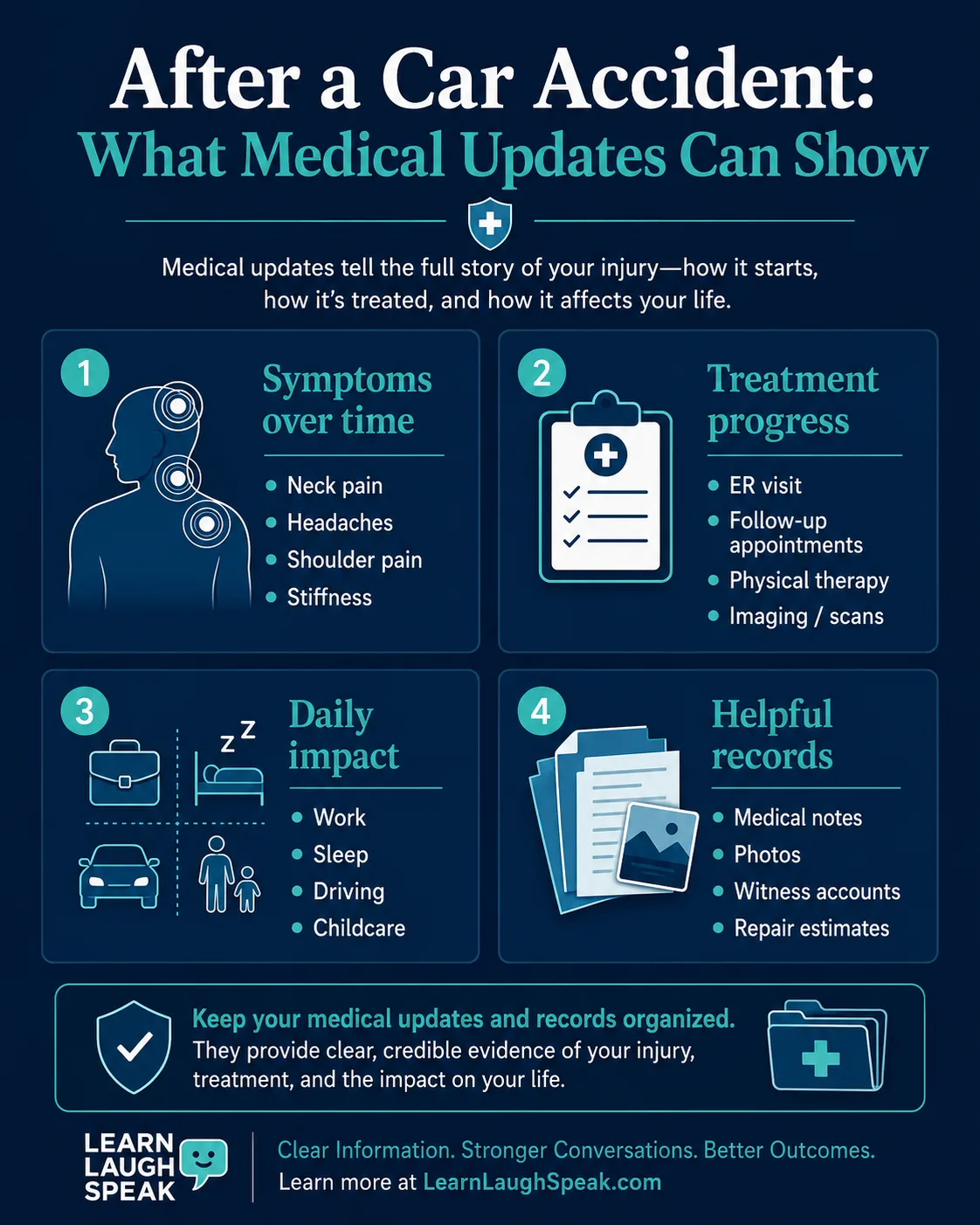
Medical updates play an important role because symptoms are not always clear on the first day. Neck pain, back strain, headaches, shoulder pain, and joint stiffness can become more noticeable after swelling increases or adrenaline wears off. As Attorney Corey Rosensteel has said, “Clear medical follow up can help connect what a person feels today with what the crash caused and what care may still be needed.”
Understanding these details can also help when questions arise about responsibility, insurance, and documentation. Speaking with an car accident liability lawyer can help injured people better understand how road conditions, driver behavior, and medical records may fit together in a car accident claim.
Why Recovery Timelines Are Often Hard to Predict Early
Recovery usually becomes clearer in stages because the body does not always show the full effect of a crash right away. A person may feel shaken but functional at the scene, then wake up the next morning with pain that makes it hard to turn their neck, sit comfortably, or lift everyday items. This is one reason early medical attention and follow up visits can matter so much after a car accident.
Doctors often look at symptoms, physical exams, imaging results, treatment response, and daily limitations before giving a more complete view of recovery. A single emergency room visit may confirm that there is no immediate life threatening condition, but it may not explain how long soft tissue pain, nerve symptoms, or mobility problems will last. Continued treatment can help document whether the injury is improving, staying the same, or becoming more complicated.
For example, someone driving home through South End after passing a roadside construction project may glance toward equipment near the lane edge just as traffic slows ahead. A rear end crash follows. At first, the driver feels embarrassed and sore but assumes the pain will fade. Two weeks later, headaches and shoulder pain are interfering with work, sleep, and child care. In that situation, the recovery timeline depends less on guesswork and more on what medical providers observe over time.
What Can Medical Updates Confirm After a Car Accident
Medical updates can confirm several important details that help explain the injury in a practical way. They may show when symptoms began, whether the person reported pain consistently, what treatment was recommended, and whether the injury affected work or normal activities. These updates can also help separate temporary soreness from conditions that require physical therapy, additional testing, referrals, or longer rest.
They can also clarify whether recovery is moving as expected. If a person improves after a few weeks of therapy, that progress may support one type of claim evaluation. If pain continues or new symptoms appear, updated records may show why more care is needed. This can be especially important when an insurance company questions whether the injury is serious or whether treatment is related to the crash.
Medical records are not just paperwork. They help create a timeline that connects the crash, the symptoms, the treatment plan, and the person’s progress. Without updated records, it can be harder to explain why a person missed work, delayed normal routines, or needed help with transportation, household tasks, or family responsibilities.
Why Roadside Distractions Matter in Understanding the Crash
Roadside distractions matter because they can affect attention, reaction time, and the ability to respond to changing traffic conditions. A driver who is looking at a sign, crash scene, police activity, construction equipment, or a vehicle on the shoulder may not notice brake lights until it is too late. Even a short delay can lead to a collision when traffic is dense or speeds are higher.
From a legal awareness perspective, the key issue is often whether a driver acted reasonably under the circumstances. Road conditions may explain how the crash unfolded, but they do not automatically excuse unsafe driving. Drivers are generally expected to adjust for traffic, weather, construction, visibility, and other conditions that may increase risk.
Helpful details may include:
- Photos of the crash scene, vehicle positions, skid marks, and nearby road conditions
- Medical records showing when symptoms began and how they changed
- Witness accounts describing traffic, distractions, or driver behavior
- Repair estimates and vehicle damage photos
- Work notes, therapy records, and follow up appointment summaries
These details can help show both what happened on the road and how the injury affected the person afterward. They can also reduce confusion when memories fade or when insurance adjusters ask for proof weeks or months later.
How Safety Awareness Can Support the Claims Process
Safety awareness after a crash begins with recognizing that injury recovery and accident details often develop together. The same conditions that caused the crash may also shape the evidence needed later. A wet road, a blocked lane, a sudden merge, or a distracting roadside scene can all become relevant when explaining why the collision occurred and why the injured person needed medical care.
After a crash, it is helpful to focus on practical steps that protect health first. Getting checked by a medical provider, following treatment instructions, and reporting new symptoms can make recovery more manageable. These steps also create a clearer record, which may matter if the claim involves lost wages, ongoing pain, or disputes about fault.
How Soon Should You See a Doctor After a Crash
A person should seek medical care as soon as they notice pain, stiffness, dizziness, numbness, headaches, or any symptom that feels unusual after a crash. Some injuries are obvious right away, while others appear gradually. Waiting too long can make it harder for doctors to evaluate symptoms and harder for an insurance company to understand how the crash caused them.
Prompt care does not mean every injury will be severe. It simply helps create a reliable starting point. If symptoms improve quickly, the records can show that. If they worsen, the records can help explain why the treatment plan changed.
Can Recovery Expectations Change Over Time
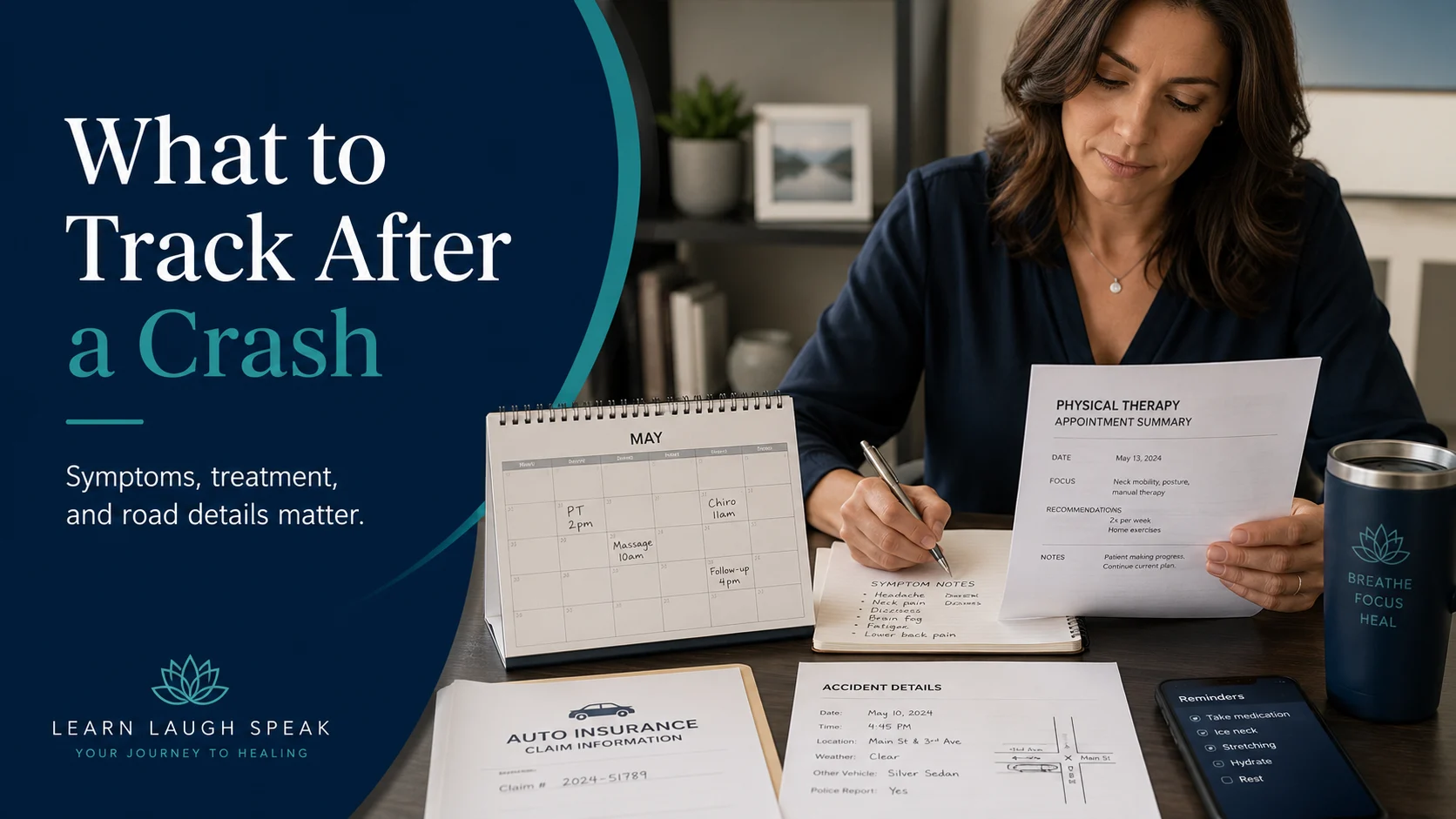
Yes, recovery expectations can change as doctors learn more about the injury and how the person responds to treatment. A provider may first recommend rest, medication, or physical therapy, then adjust the plan if pain continues. Imaging, referrals, or work restrictions may become necessary if symptoms do not improve as expected.
This changing picture is common in car accident cases. A person may expect to recover in a few days, then realize that sitting at a desk, driving, lifting, or sleeping has become harder than anticipated. Medical updates help explain that change in a way that is clearer and more credible than memory alone.
What to Keep in Mind as Treatment and Claims Move Forward
A steady recovery plan usually depends on paying attention to both health and documentation. Keeping medical appointments, explaining symptoms clearly, and following provider recommendations can help injured people understand what they are facing. It can also help show how the crash affected daily life beyond the first few hours after impact.
Our Law Firm’s Charlotte Office Location
Rosensteel Fleishman Car Accident & Injury Lawyers works with people in Charlotte who are trying to make sense of injuries, insurance questions, and the practical impact of a crash. Corey Rosensteel and Matthew Fleishman understand that many people are not looking for conflict. They are looking for clear answers about medical bills, missed work, vehicle damage, and what their next steps should be.
Recovery expectations after an injury are rarely set in stone on the day of the crash. They become clearer through medical follow up, honest symptom reporting, and careful attention to how the injury affects work, family life, and routine activities. When roadside distractions, changing road conditions, or driver inattention are part of the story, clear records can help connect the pieces. For guidance after a car accident in Charlotte, Rosensteel Fleishman can be reached at 1-704-714-1450 for a free consultation.