
 English
 Arabic
 Chinese (Simplified)
 Dutch
Dutch French
 German
 Italian
 Portuguese
 Russian
 Spanish
Apple has long been recognized to make technology inclusive, and iOS reaches a whole new level. Although these features are often designed for specific challenges, they can help every iPhone user increase productivity, reduce stress and enjoy more personal experiences. Whether you manage a busy program, improve health tracking or just make it easy to use the phone, these features are worth finding.
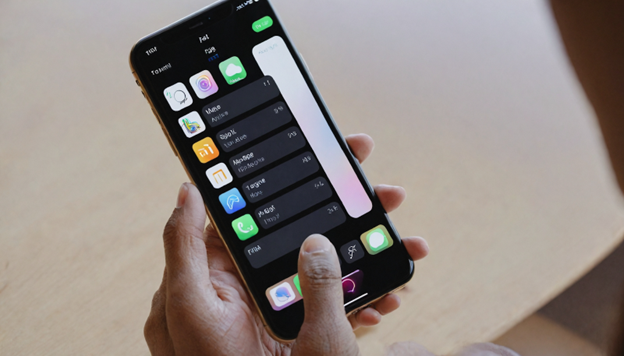
1. VoiceOver – Your Ears as Your Eyes
Voiceover is an advanced Apple screen reader that really happens on your device. Originally visually designed for impaired users, it is also very good for multitaskers who want to hear instead of reading.
You can combine voiceover with AirPods to listen to the phone content, work or listen to the phone content during cooking. This feature supports many languages, which also makes this language invaluable to students.
For step-by-step instructions to activate voiceover and customize it for your needs, see the full guide to using iPhone accessibility features, covering it and other devices in detail.
2. Magnifier – Your Pocket-Sized Zoom Lens
The enlargement makes your iPhone a digital magnifying glass. Whether you read small prints on the drug bottle or check the restaurant menu in low light, this device can make life very easy.
With options to adjust the brightness, use the filter and freeze the frame, it’s just more than a zoom function – it’s a mini -supplement tool set.
English for Professionals: 10 Improvisation Techniques for Confident Meetings
3. Live Listen – Hear Conversations Clearly
Live list, connects iPhone or iPad with compatible hearing equipment including airpods, and uses microphones to catch and increase the sound. It can be a life -saving in noise environment such as conferences or restaurants.
Even people without weakness use liver and listen to improve clarity during presentations or meetings. Tools such as high voltage, health professionals working in the noise environment, can make it more efficient to make live hearing more efficient. In fact, can Apple Devices Help Healthcare Professionals Cope with Workplace Stress? explores how accessibility features can reduce daily pressure in medical settings.
4. AssistiveTouch – Navigation Without Touching the Screen
Asstivetouch is ideal if you have difficulty doing some gestures such as pinch or swipe, or if it is difficult to press the physical button on your device.
You can create a customized gestures, check your device with a pressure and even connect adaptive devices like joystick. When the home button or the volume button is functioned, there is also great security.
5. Speak Screen – Let Your iPhone Read to You
With the Speech screen, the iPhone can read everything aloud from online articles to e -mail. This feature is perfect for driving, exercising or simply absorbing the material while resting your eyes.
You can accommodate the type of speech speed and voice, which can make the reading experience more natural and fun. Students and busy professional use the voice screen to “read” while doing multitasking, and converting useless time to a productive time.
6. Fitness & Health Integration – Accessibility for Wellness
Apple has designed several accessibility features to initially integrate with health and training tools. For example, wheelchair users can trace rolling distances in the fitness app, and people with visual loss can use feedback from audio during workouts.
The interconnection of these accessibility settings with portable devices unlock and unlock even greater capacity. If you want to maximize your workout and health monitoring, the Apple Watch fitness tracking guide is a great resource to explore personalized training and health insights.
Mastering Soft Skills in a Tech-Driven World
7. Sound Recognition – Alerts You Can Hear with Your Eyes
Sound recognition listens to significant environmental sounds – for example, a doorbell, fire alarm or crying children – and sends a visual notice to the iPhone.
It is a gaming change for hearing loss users, but it is just as useful for anyone who can miss the sound while wearing a headphone or working in a noise environment.
You can also customize your iPhone to add a new layer of personal security and consciousness, which seems to be the feeling to do so.
Conclusion
IOS accessibility features are not just for people with disabilities – they are also for someone who wants to do smart work, remain healthy and more easily connected. From voiceover to sound recognition, each tool can improve your daily experience, regardless of your needs or lifestyle. By detecting and adapting these features, you will unlock the full potential of the iPhone and enjoy the technique that really suits you.