
 English
 Arabic
 Chinese (Simplified)
 Dutch
Dutch French
 German
 Italian
 Portuguese
 Russian
 Spanish
Nepal attracts thousands of tourists every year. All thanks to its towering mountain peaks, varying landscapes and diverse cultures. It has several classic trekking destinations as well as less explored and challenging ones. Regions like Annapurna, Everest and Langtang are well-commercialized and are amongst some of the most trekked destinations. That said, there are also several hidden Himalayan treks worth exploring, like the Manalsu Circuit Trek. 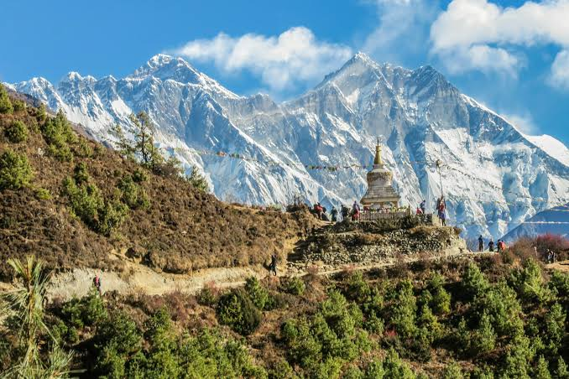
These treks are still raw and reach the remote corners of Nepal. Unlike the classic journeys, they receive a lot less traffic annually. This makes them ideal for trekkers seeking solitude and an experience that feels personal. Teahouses’ availability is generally better, and the viewpoints are also less congested.
As a result, trekking through the hidden Himalayan regions in Nepal allows for an authentic experience. Similarly, interactions with the locals also feel more personal. The rivers, mountains, glaciers, and alpine environments feel more untouched and raw. Similarly, many of the hidden treks in Nepal go through restricted regions. So, trekkers get to explore protected vegetation and ethnic groups.
Why Are The Hidden Himalayan Treks In Nepal Worth Exploring?
- Fewer crowds
- Raw and untouched landscapes
- Sense of Adventure
- Sustainable Tourism
- Authentic Cultural Experiences
Fewer Crowds
One major reason trekkers choose hidden Himalayan routes is to avoid the traffic on popular trekking trails. Famous treks attract a high number of trekkers every year especially in the spring and autumn seasons. Likewise, in peak trekking season, there is heavy traffic on trails and teahouses are mostly fully occupied. In contrast, hidden trekking routes offer a quieter and more relaxing experience.
They include remote valleys, small mountain villages, thick forests and untouched alpine landscapes. Thus, trekkers can enjoy a peaceful vibe and the sound of nature. At the same time fewer visitors allow for more genuine interactions with local people. Moreover, the peaceful environment helps trekkers connect more deeply with nature.
Raw and untouched landscapes
Hidden treks in Nepal allow trekkers to observe unique biodiversity. Compared to the popular trekking routes, the terrain remains unaffected by mass tourism. They are not exploited and can be explored in their raw and untouched landscapes. Trekkers pass through remote valleys, rugged cliffs or ridges, beautiful alpine meadows, and, of course, the majestic mountain peaks. Similarly, there are higher chances of spotting unique animals. Trekkers may encounter Himalayan Tahr, Musk deer, blue sheep, etc.
When passing the national parks during the treks, one can also observe the colorful birds, like monals, snow pigeons, and others. In more remote and unexploited areas, elusive animals like snow leopards and red pandas reside. However, they are generally hard to spot. Furthermore, as trekkers move deeper into remote regions, the visuals appear even more dramatic, peaceful, and unspoiled. This is especially beneficial for photographers, as the important landmarks are not as crowded in comparison. Thus, they can take their time, set up the camera, and adjust the angle and lighting well for the shoot.
Sense of Adventure
Hidden Himalayan treks in Nepal provide a more thrilling experience than Nepal’s popular trekking routes. Similarly, these trails pass through remote regions and create a strong feeling of exploration. Unlike busy trekking routes, hidden trails feel quiet, wild, and untouched. Trekkers cross high mountain passes and narrow paths along steep cliffs. They cross several suspension bridges and rugged alpine landscapes. Therefore, each section of the trek feels exciting and rewarding. These remote regions often present greater physical and mental challenges.
Likewise, trails may be rough, and facilities often remain very basic. Because of this trekkers must adapt to unfamiliar surroundings and conditions. However, overcoming these challenges makes the journey even more memorable. Hidden treks also create a true expedition atmosphere far from city life; trekkers become fully immersed in the beauty of the Himalayas. Meanwhile, remote valleys, mountain passes, forests and isolated villages add excitement to the journey.
Sustainable Tourism
Lesser-known treks of Nepal are also important in promoting sustainable tourism practices. This is because popular ones in the Everest and Annapurna regions receive large numbers of trekkers every year. This can increase the demand for resources and local infrastructure. Furthermore, greater movement of people can damage the fragile mountain ecosystem. Another major problem is waste management. Due to a lack of proper transportation and dumping facilities, the Himalayan regions can be polluted.
Thus, the hidden trekking regions in Nepal can help distribute the tourism a bit more evenly. Furthermore, it also provides a source of income for the local mountain people and creates job opportunities. Local teahouses, guides, porters, and small stores in the remote region will benefit from better tourism. This provides a window for the ethnic communities to improve their quality of life.
Similarly, it offers them fair compensation for their farming, crop harvest, animal husbandry, and local handicrafts. However, it is important that trekkers follow responsible tourism practices. They should not damage or negatively affect the flora and fauna of the remote regions directly. Likewise trekkers are expected to respect the cultural differences and societal boundaries during the trek.
Authentic Cultural Experiences
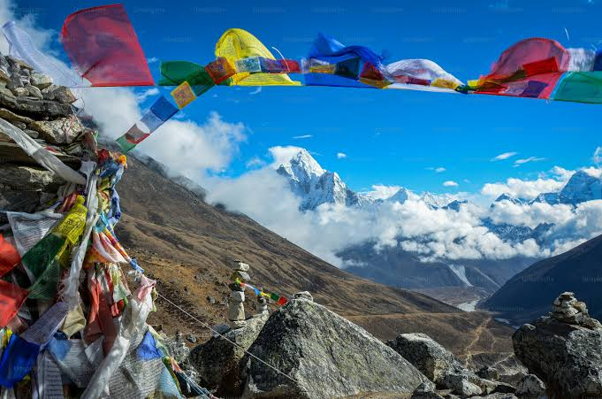
Many remote regions preserve traditions that have existed for generations. Hidden Himalayan treks offer unique opportunities to experience authentic mountain culture. Along the way trekkers can visit ancient monasteries and sacred Buddhist landmarks. They also see prayer wheels, chortens, mani walls and prayer flags. These sites reflect the region’s deep spiritual and cultural heritage. Moreover, local communities continue practicing centuries-old rituals and carry on the same beliefs. They also maintain ancestral farming methods, festivals, and religious ceremonies.
Trekkers get to stay in teahouses that are run by families. Thus, they can learn about their daily life, hospitality, and unique regional practices. The local communities, like Sherpa, Tamang, Gurung, Rai, etc, preserve their own unique identity. Also, they enjoy their own variety of food and a different language. Meanwhile, the slower pace allows deeper cultural immersion during the trek. For many travelers, cultural experiences become highlights of the adventure. Hidden Himalayan treks offer more than beautiful mountain scenery; they offer a peek into Neal’s historical roots.