
 English
 Arabic
 Chinese (Simplified)
 Dutch
Dutch French
 German
 Italian
 Portuguese
 Russian
 Spanish
Most people using a second language want to think clearly in English.
Native or non native English speakers.
The trouble can start for speaking or understanding just by not thinking clearly.
There’s a moment in meetings that most people recognise — but rarely talk about.
You understand everything that’s being said.
The conversation makes sense.
You’re following along.
But when it’s your turn to speak, something changes.
Your thoughts don’t come out the same way.
They feel slower. Slightly out of reach.
That’s not a language problem.
That’s what happens when you’re trying to Think clearly in English — but your brain is still working in two steps.
Some people can have a fluency disorder – according to this John Hopkins research.

When You Try to Think Clearly in English, Translation Sneaks In
It doesn’t feel obvious.
You hear an idea and understand it.
Then, quietly, your brain asks:
“How do I say that?”
That question creates a gap.
Small — but enough to slow you down.
And in meetings, that delay is what separates:
being part of the conversation
from slightly chasing it
FYI – Talking about money and asking for payment can be a tough topic especially when English is not your first language!
Why It’s Hard to Think Clearly in English Under Pressure
If you had more time, it wouldn’t be a problem.
That’s the frustrating part.
But when you need to respond quickly, your brain tries to:
hold the idea
translate it
structure it
say it
All at once.
Trying to Think clearly in English in that moment becomes less about language — and more about mental load.
The Moment You Stop Thinking Clearly in English
It usually happens just before you speak.
You’re no longer focused on the idea.
You’re focused on the sentence.
That shift is subtle, but it’s where clarity disappears.
Because now you’re managing language — not expressing thought.
A Small Shift That Helps You Think Clearly in English Faster
Instead of asking:
“How do I say this?”
Pause slightly and ask:
“What’s the simplest version of this idea?”
That question changes everything.
Because simpler thoughts are easier to express — especially when trying move quickly and speak easier.
What It Feels Like When You Actually Think Clearly in English
There’s a noticeable difference.
Your sentences are shorter.
You start speaking earlier.
You don’t restart as often.
It’s not perfect.
But it flows.
You’re no longer building everything before you speak.
You’re building as you go.
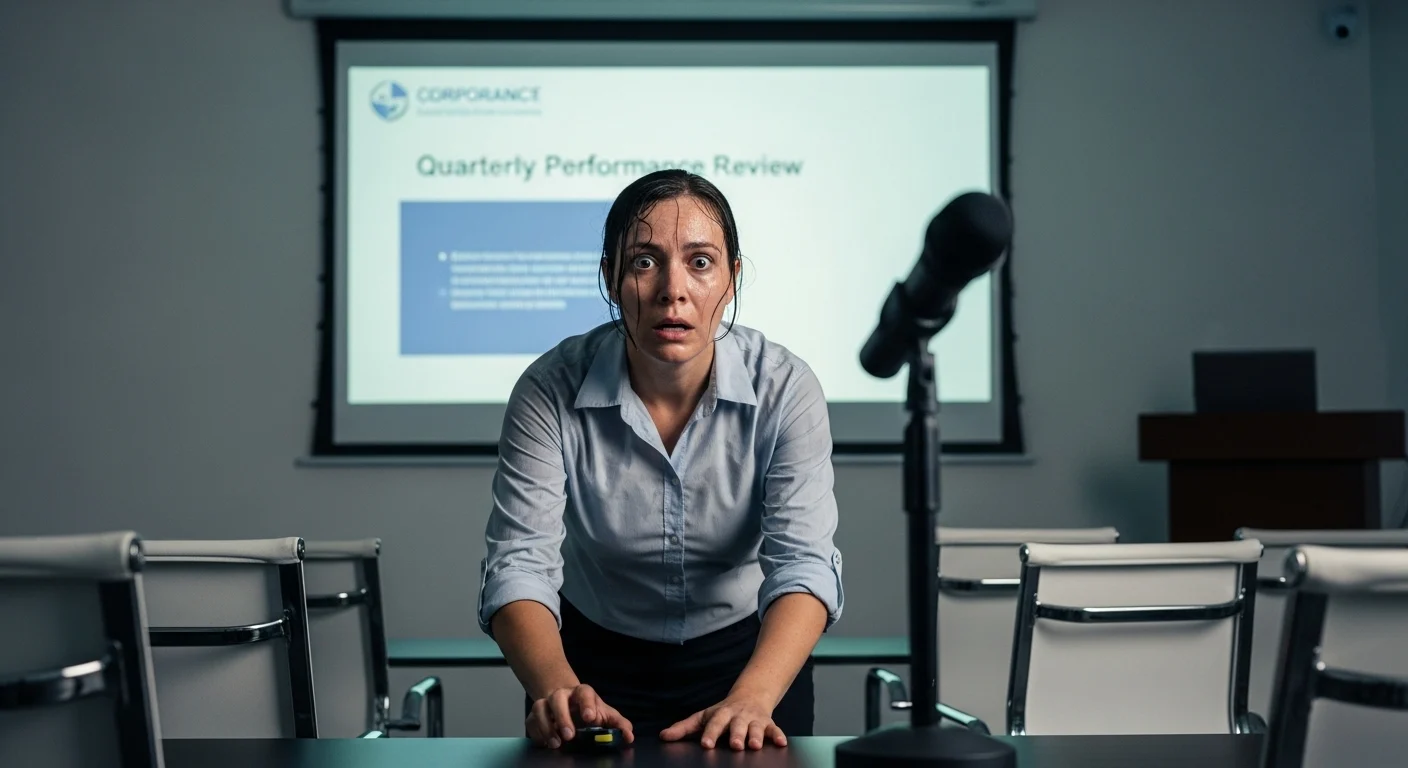
Being put on the spot can also mean freezing or not thinking smoothly in English!
When You Can’t Fully Think Clearly in English Yet
This is where most people hesitate.
They wait until the thought feels complete.
Instead, start earlier.
Even something small:
“This might be an issue…”
“One thing to consider is…”
You don’t need the full idea.
You need a direction.
And once you begin, it becomes easier and easier.
Why Simpler Thinking Improves How You Think Clearly in English
Most people assume better English comes from more complex thinking.
It doesn’t.
Complex thoughts create pressure.
Pressure slows you down.
Clear thinking — not complex thinking — is what allows you think clearly.
Where You Notice It Most When You Try to Think Clearly in English
You’ll feel it more in:
• meetings with quick back-and-forth
• situations where you’re asked directly
• moments where you didn’t expect to speak
That’s when thinking speed matters most.
And when translation becomes most visible.
How People Who Think Clearly in English Actually Communicate
They don’t wait for perfect ideas.
They start with partial ones.
Then build.
They’ll say:
“One concern here is…”
Then expand.
Then adjust.
That’s how they maintain flow — and how they continue!
External Insight and References
In second-language communication research — particularly work referenced by Cambridge University Press — reducing cognitive load is key to improving fluency under pressure.
The fewer steps your brain takes, the clearer your communication becomes.
The Shift That Makes the Difference
Instead of trying to improve your English in the moment…
Reduce what your brain is doing.
Less translating.
Less building.
Less editing.
Final Thought
You don’t need better English to perform better in meetings.
You need fewer steps between thought and speech.
What matters most!
If you can Think clearly in English, even at a simple level, you stay in the conversation.

3 thoughts on “How to Think Clearly in English During Meetings (No Translating)”
Pingback: Medical Claim Filing Procedure in India - Learn Laugh Speak
Pingback: Why You Understand English But Can’t Speak It Fluently Still - Learn Laugh Speak
Pingback: Why Your Mind Goes Blank When Speaking English