
 English
 Arabic
 Chinese (Simplified)
 Dutch
Dutch French
 German
 Italian
 Portuguese
 Russian
 Spanish
If you’ve ever scrolled through Amazon, Etsy, or Shopify in search of that perfect gadget or artisanal candle, you’ve probably noticed something: the marketplace is a universe of its own.
Traditional marketing tactics, the ones that worked on your website or social media, suddenly feel like trying to shout over a stadium full of competitors.
The reality is, digital marketing for marketplace-driven brands is about fitting into the ecosystem where customers are already browsing, comparing, and deciding in seconds. You need to think like the shopper scrolling for five-star reviews and deals, not just like a marketer writing copy.
By understanding how marketplaces shape buyer behavior, you can adapt your strategies to get noticed, convert better, and build lasting brand presence.
In this article, we’ll walk you through exactly how marketing is evolving in these platforms—how to optimize your listings, leverage data, run smarter ads, and even build your brand outside the marketplace.
By the end, you’ll have a clear, actionable view of how to thrive in this fast-paced digital landscape.
Recognize the Marketplace Mindset
Here’s the thing: when a customer lands on a marketplace, they’re not coming for your brand story—they’re coming for trust, speed, and clarity. They’re browsing multiple options in seconds, scanning for reviews, price points, and quick answers to their questions. If your listing doesn’t instantly convey value, it gets scrolled past, no matter how good your product is.
Ákos Doleschall, Managing Director at Hustler Marketing, said, “In ecommerce, customers often make decisions within moments of seeing a product page. Clear messaging, strong visuals, and immediate signals of trust can make the difference between someone exploring further or moving on to the next option.”
For you, this means stepping into your customer’s shoes. Ask yourself: if you landed on your product page for the first time, would you understand its value in five seconds? Would you trust it enough to click “Buy Now”?
This kind of quick decision-making is exactly why marketplace listings need to be structured carefully. Because of this, many brands combine strong listingers rarely read every detail. Instead, they scan for the information that answers their most important questions: Is this reliable? Is it worth the price? What do other buyers think? Small signals like clear product images, concise descriptions, and visible reviews help customers feel confident enough to take the next step. A well-structured marketplace seller onboarding process can also help ensure that new sellers apply consistent standards from the start, improving overall listing quality and competitiveness.
Career and hiring trends show a similar pattern of fast evaluation.
Karen Noryko, Career Content Director at Jobtrees, notes, “People today often evaluate opportunities and products quickly because they’re exposed to so many choices online. Whether someone is browsing job listings or products on a marketplace, clarity and credibility tend to capture attention first.”
Optimize for Search and Discovery on the Platform
Here’s a truth that surprises many brands: marketplace SEO isn’t Google SEO. Sure, keywords matter, but the way shoppers search inside Amazon, Etsy, or other platforms is a different beast. You’re not optimizing for a search engine crawling the web—you’re optimizing for a human scrolling, filtering, and deciding in seconds.
Noam Friedman, CMO of Tradeit, said, “Digital platforms often have their own search behavior, where users move quickly and rely on clear signals to decide what to explore next. Listings that communicate value instantly tend to perform better than ones that require extra effort to interpret.”
Take product titles, for example. A title that reads like a poetic paragraph on your website might look elegant—but on a marketplace, it’s a liability. Shoppers scan fast. “Organic Lavender Candle, 8oz, Relaxing Scent for Bedroom” works way better than “Experience Tranquility with Our Exquisite Lavender Candle.”
Bullets, images, and reviews all play a part in discoverability, so each element needs to communicate value immediately. Marketplaces reward listings that reduce friction for buyers. The faster someone understands what a product is, why it matters, and whether others trust it, the more likely they are to click and explore further.
This is why structure matters just as much as content. Clear product titles, concise bullet points, and helpful images guide the shopper’s eye and answer questions before they’re even asked.
Dan Close, Founder and CEO at We Buy Houses in Kentucky, adds, “Online property listings follow a similar pattern—people skim quickly and focus on the most useful details first. When information is clear and easy to understand, buyers are far more likely to take the next step.”
Ask yourself: are your listings truly search-friendly, or are they “good enough”? The difference could be the one tweak that finally gets your product in front of the right eyes.
Leverage Data and Analytics for Smarter Marketing
Here’s where the fun begins: marketplaces are data goldmines. Every click, view, and purchase tells a story about your customer—and ignoring that story is like marketing blindfolded. The key is learning to read the signals.
Edward Tian, CEO of GPTZero, adds, “Large digital systems generate constant streams of data about how people interact with content and products. When teams learn how to interpret those patterns, they gain insights that can guide smarter decisions rather than relying on assumptions.”
Analytics can show you which products are performing, which listings are losing traffic, and even which keywords are converting. The point is, data isn’t just numbers—it’s insight into behavior. For example, if a product gets many views but few purchases, the issue may lie in pricing, unclear descriptions, or weak customer reviews. On the other hand, if certain keywords consistently lead to conversions, they reveal what buyers are actively searching for.
Understanding these signals allows businesses to refine their approach step by step. Instead of changing everything at once, teams can experiment with small adjustments—updating images, rewriting product titles, or adjusting promotions—and observe how those changes influence performance. Over time, these incremental improvements build a clearer picture of what customers respond to and what drives real sales.
Security and trust also play a role in how people interact with online platforms. Charles Martinez, CMO of BindSafe, shares, “Digital platforms generate valuable insights about how users behave, but those insights only become useful when organizations analyze them carefully and responsibly. When companies pay attention to how people interact with their products and services, they can improve both the experience and the trust customers place in them.”
You can optimize campaigns, adjust inventory, and test promotions with a level of precision that traditional marketing rarely offers. If you’re still guessing what your audience wants, you’re leaving money—and trust—on the table.
Use Paid Marketplace Advertising Effectively
Marketplace platforms are crowded environments where hundreds of similar products compete for attention at the same time. Even well-written listings can struggle to stand out when buyers are comparing multiple options side by side. Because of this, many brands combine strong listing optimization with paid marketplace advertising to increase visibility and reach shoppers who are already searching for related products.
Rishin Shah, MD & CEO of GoLean Health, says, “Digital platforms have changed how people discover products, especially in health and wellness where customers often compare several options before deciding. When brands present clear information and support it with well-targeted visibility, it becomes easier for buyers to evaluate their choices.”
Paid tools on marketplaces—such as sponsored listings, display placements, and retargeting campaigns—allow brands to appear in front of shoppers who are already browsing similar products. Instead of relying only on organic search results, businesses can highlight their listings at key moments in the buyer’s journey. This visibility can help introduce products to potential customers who might otherwise overlook them while scrolling through large product catalogs.
However, advertising works best when the listing itself is already strong. Clear product images, accurate descriptions, and positive customer reviews help convert attention into actual purchases. Without those elements in place, additional traffic may not translate into meaningful results.
Structured promotion strategies often follow the same principle used in other performance-driven environments: preparation comes before amplification. Nikita Gabdrakhmanov, Chief Flight Instructor at Wayman College of Aeronautics, notes, “In aviation training, preparation is essential before any complex maneuver is attempted. Pilots build strong fundamentals first, because advanced actions depend on that foundation. The same logic applies in many fields—effective results usually come after the core elements are properly in place.”
Build Brand Awareness Outside the Marketplace
Even if marketplaces drive most of your sales, you can’t ignore building your own audience. Social media, email lists, and content marketing are still critical tools for establishing trust, long-term loyalty, and repeat purchases.
Kyle R Smith, Director of Boost Promotional Products, says, “Brands that sell physical products often see the biggest impact when they build a direct relationship with their audience. When customers recognize a brand beyond a single marketplace listing, they’re more likely to return and purchase again.”
Think of marketplaces like shopping malls: they bring foot traffic, but your own channels are your corner storefront—you control the experience and own the relationship. By driving your audience to your marketplace listings from your own platforms, you get the best of both worlds: marketplace exposure plus long-term brand equity.
Leverage Customer Experience and Reviews
Let’s be honest: in a marketplace, your product isn’t just competing on features or price—it’s competing on trust. Reviews, ratings, and the overall customer experience have become the secret weapon for brands that want to stand out.
Rameez Ghayas Usmani, Award-Winning HARO Link Builder & CEO of HARO Link Building, adds, “Trust online often grows through consistent signals from different sources. When people see credible mentions, positive feedback, or expert insights repeated across platforms, it naturally strengthens confidence in a brand.”
One negative review can linger, but a series of thoughtful responses and excellent service can turn skeptics into loyal buyers.
So treat every review as an opportunity. Encourage happy customers to share their experience, respond promptly to issues, and focus on delivering a seamless post-purchase journey. Marketplace algorithms reward this behavior, but more importantly, it builds real, human trust with your audience.
Harness Social Commerce to Drive Marketplace Sales
Social platforms are no longer just discovery channels—they’re rapidly becoming full-fledged marketplaces themselves. Shoppers don’t always start on Amazon or Etsy anymore; increasingly, they find products while scrolling TikTok, Instagram, Facebook, or Pinterest. For marketplace-driven brands, this means social commerce isn’t optional—it’s a critical growth lever.
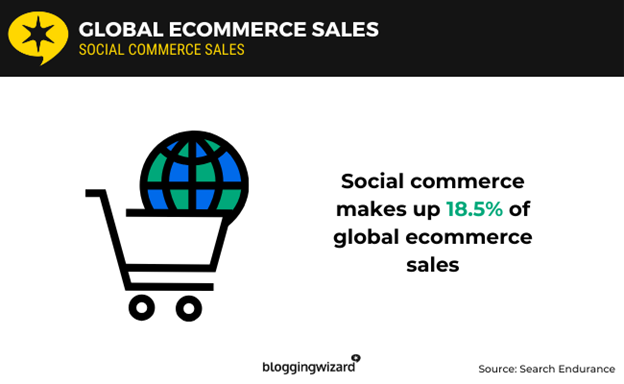
So much so that social commerce sales make up 18% percent of global sales, which is in trillions by the way.
Engaging, shoppable content is key. Short product demos, unboxing videos, “how-to” tutorials, and influencer reviews give buyers confidence and reduce friction. Instead of requiring customers to click through multiple pages, these posts allow them to interact with the product, see it in action, and make a purchase seamlessly. A well-executed TikTok campaign, for instance, can generate hundreds or thousands of clicks to marketplace listings within hours, driving immediate sales.
Data-driven insights amplify this strategy. By tracking engagement metrics like video completion rates, click-throughs, and conversion from social posts, you can identify which content types, posting times, and platforms perform best.
Moreover, social commerce supports long-term brand building. Beyond immediate sales, interactive content strengthens customer relationships, builds trust, and increases repeat purchase potential.
Brands that analyze social commerce data continuously can refine creative, identify emerging trends, and tailor promotions that resonate with their audience. This creates a feedback loop: data informs content, content drives sales, and sales generate more data for optimization.
For marketplace-driven brands, mastering social commerce means merging content creativity with analytics. By doing so, you not only capture attention but also guide shoppers seamlessly from discovery to purchase, creating measurable growth and a strong competitive edge.
Experiment with Emerging Marketplace Trends
If there’s one thing that’s constant in the marketplace world, it’s change. Social commerce, voice search, AR product previews, and AI-driven recommendations are reshaping how people discover and buy products. Early adopters often get a significant edge.
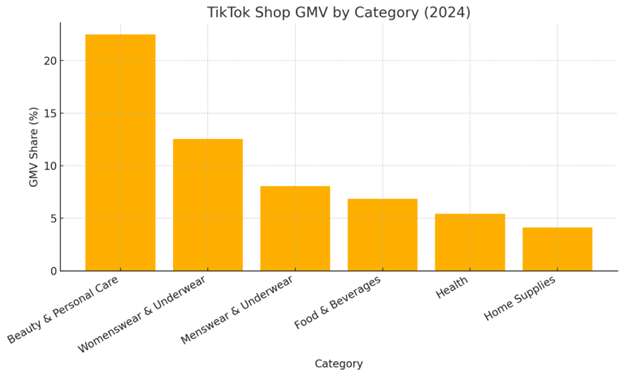
Take social commerce, for example. Brands that integrate shoppable Instagram posts or TikTok Shop are reaching audiences in ways that feel native and natural.
More than half of U.S. TikTok users—58%—say they’re likely to purchase TikTok Shop if a coupon or special discount is offered.
This highlights how TikTok Shop is quickly gaining traction in e-commerce, fueled by its interactive content, influencer collaborations, and seamless shopping experience.
Similarly, voice search is becoming more common—optimizing for natural language queries can make the difference between being found and being invisible.
Your takeaway here? Don’t wait for trends to become mainstream. Test, iterate, and adapt early. A small experiment today could become a massive advantage tomorrow, giving you the chance to capture attention while competitors scramble to catch up.
Conclusion
From recognizing the marketplace mindset to optimizing listings, leveraging analytics, running smart paid campaigns, building your brand externally, and experimenting with emerging trends, every move matters.
For brands willing to adapt, the rewards are clear: higher visibility, stronger customer trust, and sustainable growth in a crowded, competitive environment. The key is to think like your customer, act strategically, and continuously refine your approach based on real-world data and feedback.
Don’t wait for someone else to claim your audience. Audit your listings, dig into your marketplace analytics, and try one new tactic this week—whether it’s refining your product title, testing a sponsored ad, or responding thoughtfully to a review.
Each small action compounds, helping your brand stand out, convert better, and build lasting loyalty. Start today, and turn the marketplace into your most powerful growth engine.