
 English
 Arabic
 Chinese (Simplified)
 Dutch
Dutch French
 German
 Italian
 Portuguese
 Russian
 Spanish
In a world increasingly driven by digital creativity, the ability to transform text into music offers a new realm of artistic expression. With advances in artificial intelligence and user-friendly platforms, even those without formal musical training can create songs effortlessly. Whether you’re a lyricist, a content creator, or just someone looking to explore your musical inclinations, there are numerous online tools and resources available.
These tools enable you to convert your thoughts, ideas, or complete lyrics into engaging songs that can be shared on social media, used in videos, or enjoyed privately.
This guide will explore seven powerful ways to turn text into music online, catering to beginners eager to dive into music creation. You’ll discover methods that range from simple lyric-to-tune converters to more complex platforms that allow for full musical arrangements.
Each method facilitates the process and gives you the opportunity to unleash your creativity. One excellent resource to explore is Text to Music, which seamlessly blends text input with musical output.

1. Use an AI Song Generator
AI song generators have revolutionized how music is created. These platforms allow you to enter text or lyrics, select a genre, and generate a complete song in a matter of seconds. The best part? No musical experience is required. You simply need to describe your song idea, and the AI takes care of the rest, composing melodies, harmonies, and even mixing the tracks. Many of these tools provide user-friendly interfaces, making it easy for beginners to navigate.
Platforms like Text to Music are highly recommended because they offer customizable options for vocal styles and instrumental arrangements. The result is a polished piece of music that sounds professional, making it suitable for sharing on various platforms. With the ability to choose from over 40 genres, you can experiment with different styles until you find the perfect fit for your lyrics.
2. Explore Online Lyric-to-Melody Tools
There are various online tools designed specifically for converting lyrics into melodies. These platforms analyze the rhythm and flow of your lyrics and create melodies that complement them. Such services are particularly beneficial for lyricists who struggle to visualize how their words will sound in a musical format.
When you use lyric-to-melody tools, you’re often guided through the process with step-by-step instructions, making it easy for beginners. Some platforms also use machine learning algorithms to understand popular musical patterns and apply them to your text, resulting in catchy tunes. This method allows you to take fuller control over your creative process without requiring extensive musical knowledge or experience.
3. Collaborate with Online Musicians
Collaborating with other musicians online can be an exciting way to turn your text into music. Many music platforms allow creators to connect and collaborate on projects, sharing their skills and expertise. If you have great lyrics but lack the musical know-how, partnering with someone who has a good understanding of melody and arrangement can lead to incredible results.
Various social media platforms and dedicated music collaboration sites offer forums and tools for this purpose. You can easily showcase your lyrics, find musicians interested in collaborating, and work together to create polished music. This method not only enhances your final product but also allows you to learn from experienced musicians, improving your skills for future projects.
4. Leverage Mobile Apps for Music Creation
With the rise of smartphones, there are now numerous mobile apps designed for turning text into music. Many of these apps feature intuitive interfaces and step-by-step guidance that makes music creation accessible to everyone. Whether you are on the go or simply prefer working from your phone, you can easily input your lyrics, choose beats, and even sing or rap over your creations directly within the app.
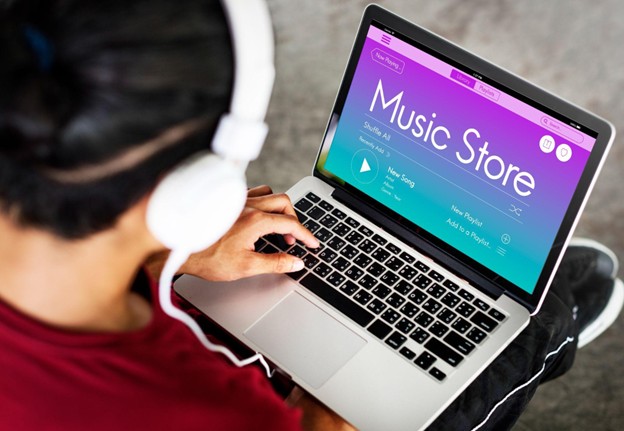
Mobile apps often feature a variety of tools and instruments that give you the flexibility to experiment with different sounds and arrangements. For beginners, these apps can serve as an excellent training ground. You can learn about different elements of musical composition while having fun creating your songs.
5. Use Text-to-Speech Technology
Text-to-speech technology can also be a creative way to turn your text into music. Although this may not result in traditional musical sounds, you can use it to create unique vocal tracks that add a special flair to your songs. This method involves converting your lyrics into spoken words, which can then be altered or mixed with music tracks to create an interesting soundscape.
Many digital audio workstations (DAWs) support text-to-speech plug-ins, allowing you to integrate this feature into your music projects seamlessly. It adds a modern twist to your songs and is particularly useful if you’re looking to stand out with a unique audio experience.
6. Participate in Online Music Challenges
Engaging in online music challenges is another dynamic way to turn your text into songs. Many platforms host contests that invite creators to submit their music based on specific themes or prompts. By participating, you not only get a platform to showcase your work but also a deadline that can motivate you to finish your projects.
Moreover, these challenges often provide feedback and resources for improvement, which can be invaluable for beginners. It fosters a sense of community and allows you to learn from others while creating an array of songs based on your ideas.
7. Access Online Courses and Tutorials
If you’re serious about turning your text into music, consider enrolling in online courses or following tutorials that focus on music production. Numerous platforms offer comprehensive lessons that cover everything from basic concepts of songwriting to advanced music production techniques. These resources can clarify the process, teach you about different elements of music, and ultimately enhance your ability to create compelling songs.
With numerous beginner-friendly options available, you can learn at your own pace and apply what you’ve learned directly to your projects. This method allows for a more structured learning experience that can significantly elevate your skills over time.
FAQs about Turning Text Into Music
Can I use any text for song generation?
Yes, you can use any text, including descriptions and complete lyrics. Most AI song generators accept varied styles of text input.
Is prior musical knowledge necessary?
No, one of the main advantages of using these online tools is that they are designed for users without musical backgrounds, making the process accessible for everyone.
Can I sell music created using these platforms?
Most paid plans offer commercial licenses, allowing you to sell the music you create using the platform without any royalties or extra fees.
Are there any free options available?
Yes, many platforms, including Text to Music, offer free trials and options for users to create music without needing a paid subscription right away.
How do I get started?
Simply visit a platform that offers text-to-music capabilities, enter your text, and select a genre to start generating your song!
Conclusion
Transforming text into music has never been easier, thanks to the various online tools available today. Whether you choose to utilize an AI song generator, collaborate with musicians, or explore mobile apps, there are multiple methods that cater to different creative processes. For beginners, these resources provide an excellent pathway to express ideas musically, often resulting in professional-quality tracks with minimal effort.
As you explore the options and find the methods that suit you best, remember to take your time and enjoy the journey of music creation. Embrace your creativity, experiment, and who knows? You may just discover a hidden talent for songwriting that you never knew existed!